
What to Expect After Circumferential Abdominoplasty in San Antonio, Texas
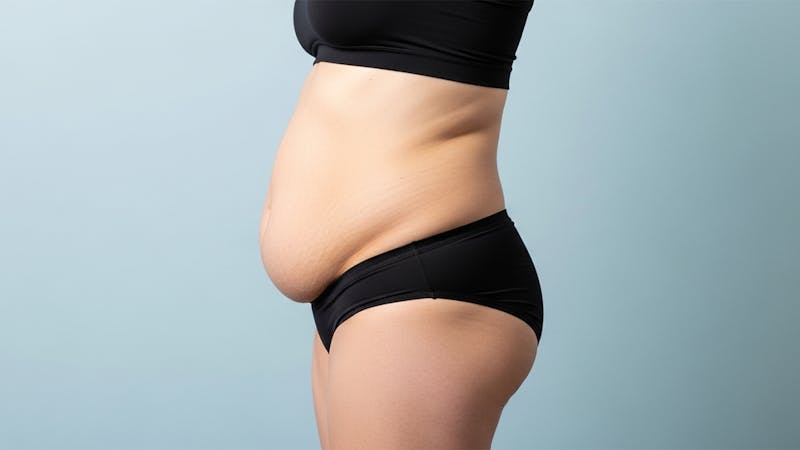
A Body Lift is usually not about vanity alone. Most patients reach this point after a long stretch of effort. They may have lost a large amount of weight. They may have worked hard through pregnancy-related body changes. They may be healthier than they have been in years, but the skin of the lower trunk still feels loose, heavy, and out of proportion.
That extra skin can affect daily life in ways that are hard to ignore. Clothes bunch and rub. The waistline feels unstable. Moisture gets trapped in skin folds. Standing, walking, and getting dressed can feel more frustrating than they should.
A Body Lift in San Antonio can improve those problems by removing loose skin and tightening the lower trunk in a way that wraps around the body. But the operation is only part of the story. Recovery is what protects the result.
The first weeks after surgery shape how the incision heals, how swelling settles, and how predictable the final contour becomes. During that phase, the goal is not to “push through.” The goal is to protect the repair. That means walking early, avoiding strain, managing drains correctly, and giving the tissues time to reconnect and stabilize. Body lift recovery is longer than recovery from smaller procedures because the operation treats a long circumference of tissue and healing continues beneath the skin long after the surface looks better. (PubMed)
Dr. Michael Baumholtz is a dual board-certified Plastic Surgeon and General Surgeon in San Antonio, Texas. Recovery planning is treated as part of the operation itself. Clear rules, careful wound management, and realistic pacing usually lead to calmer healing.
Ready for Surgery? Take Dr Baumholtz Surgery Quiz
A Body Lift, also called circumferential abdominoplasty, is best understood as tummy tuck + backside lift performed in a continuous way around the waist. It includes a front component similar to a tummy tuck, side tightening through the flanks and hips, and a back component that lifts the lower back, outer buttocks, and upper thigh region. This is why it is also called a belt lipectomy in the surgical literature. (PMC)
This procedure is often chosen after major weight loss because the lower trunk commonly carries loose, hanging skin that does not respond to exercise. Studies of lower body lift patients after bariatric surgery show that the operation is widely used to improve contour of the lower trunk, gluteal region, and proximal lower extremity. Quality-of-life research also shows that lower body lift and abdominoplasty can improve self-esteem, physical activity, work performance, and other day-to-day outcomes after massive weight loss. (PubMed)
What a Body Lift can realistically improve:
- proportion around the waistline
- skin fold comfort
- balance between abdomen, hips, and buttocks
- clothing fit
- sense of structural support through the trunk
What it cannot do:
- stop aging
- prevent future weight gain from changing results
- erase cellulite reliably
- guarantee perfect symmetry
- avoid scars
Those limits matter. Better expectations usually lead to less frustration during the swelling phase.
A Body Lift recovery is longer because the surgery involves a long incision under tension, large areas of tissue repositioning, and a broad internal healing surface. The skin must seal, but the deeper layers also need time to stick back down and close internal spaces. That deeper healing reduces fluid pockets and helps the final contour become stable. (PMC)
Swelling is a normal response. The lymphatic system, which moves fluid out of tissues, is disrupted during surgery and must gradually reroute. That is why swelling often improves slowly and can be worse at night than in the morning. Numbness and tingling are also common because small sensory nerves are interrupted during surgery and recover slowly over months. (PMC)
This is also why a Body Lift does not produce an instant final result. At six weeks, most patients can see the direction of change. At three months, the contour is more stable. At one year, scars and tissue settling are usually much more mature.
The operation changes the skin envelope and how the skin and attached fat drape around the waistline. The major layers involved are:
- skin
- fat
- fascia, which is a strong internal connective tissue support layer
In the front abdomen, some patients also have rectus diastasis, meaning the “six-pack” muscles are still present but the midline support tissue has stretched and widened. When that layer is tightened, the abdomen can feel more supported. (PMC)
After surgery, two things are normal and often misunderstood:
- swelling, which is fluid and healing activity in the tissues
- firmness, which reflects internal scar formation and tissue adherence
Those changes do not mean something is wrong. They are part of the healing process.
Healing varies. Patients often recover more slowly if they have:
- nicotine exposure
- poor protein intake
- poorly controlled diabetes
- higher BMI
- thin tissues after massive weight loss
- prior scars that changed blood supply patterns
Nicotine matters a lot. It narrows blood vessels and reduces oxygen delivery to healing tissue. In lower body lift studies, smoking has been associated with higher complication risk. Higher BMI and poor weight status have also been associated with more complications. (PubMed)
On the other hand, recovery is often smoother when:
- weight is stable
- protein intake is adequate
- hydration is good
- walking starts early
- there is solid help at home
A common trap is feeling better and assuming healing is finished. Around weeks 2–4, many patients get a burst of energy. Doing too much then can increase swelling and delay wound quieting.
Preparation matters more than most patients expect.
Helpful pre-op steps include:
- setting up a reclined sleep space
- preparing simple, protein-focused meals
- arranging help with childcare, pets, laundry, and lifting
- reviewing supplements and medications
- stopping nicotine in all forms
- planning for limited driving and slower movement
This is also where the emotional side matters. Body lift recovery can be frustrating. Swelling changes. Clothes fit differently from day to day. Sleep can be disrupted. A clear plan makes normal recovery phases feel less alarming.
The first day is about safety.
Patients are monitored for bleeding, pain control, fluid balance, and nausea. Walking usually begins early with assistance because movement supports circulation and reduces blood clot risk. A clot in a deep leg vein is called deep vein thrombosis (DVT). A clot that travels to the lungs is a pulmonary embolism (PE). These are uncommon, but prevention is a major priority. (PMC)
Most patients feel tight around the waist, hips, and lower back. A forward-bent posture is common because it reduces tension on the front incision. Fatigue is expected. Lightheadedness when first standing can happen because of medication effects and fluid shifts.
And in this practice, drains are standard.
Dr. Baumholtz always uses surgical drains for Body Lift surgery. A drain is a soft tube that removes fluid into a bulb. Drains help control fluid buildup while the tissues seal.
The first week has a simple rhythm:
- short walks
- rest
- protein
- hydration
- drain care
- avoiding strain
Swelling often increases through the day and can feel worse at night. Bruising is common. Tightness is expected. Energy tends to come in short bursts.
Drain management becomes a daily task. Output is measured and recorded because the trend helps guide when drains are removed. Output usually decreases over time, but it can rise after activity. That often means fluid is moving out rather than collecting. (PubMed)
Lifting, pushing, and pulling are restricted because the incision is long and under tension. Driving is limited while taking narcotic pain medication and because sudden twisting can stress the repair.
Red flags in week one include rapid swelling, heavy bleeding, worsening one-sided pain, fever with increasing redness, chest pain, shortness of breath, or one-sided calf pain.
This is often when patients start to feel more like themselves. Pain is usually less intense and has shifted more toward tightness and swelling than sharp soreness. Walking is easier. Some patients can do short outdoor walks. Desk work may be possible for some during this period, especially if drains are out and pain is controlled without narcotics. Long commutes can still increase swelling and fatigue. (PubMed)
Drain removal often happens in this window, but the timing is individualized. In this practice, drains stay in until output is low enough to suggest the space beneath the skin is sealing.
This is also a phase when patients are tempted to do too much. That is when swelling rebounds and seroma risk can rise.
By weeks 4 to 6, many patients stand more upright. Sleep improves. Walking becomes more natural. But swelling is still common, especially at the end of the day, because lymphatic drainage is still adapting. That morning-better/evening-worse pattern is normal and does not automatically mean a problem. (PMC)
Scar care usually begins only after the incisions are sealed and the timing is confirmed. In your practice, scar support generally includes:
- strict UV avoidance and sun protection
- silicone gel or silicone tape once safe
- scar massage when cleared
- time, because adult scars usually take about a year to mature
- microneedling later for selected mature scars when appropriate
Exercise must be staged.
Walking is the foundation. More structured exercise is added later based on healing and surgeon clearance. Many patients can begin light low-impact activity in the 4–6 week range, but “light” must be defined honestly. A long power walk can still be too much. Strength training and heavier lifting usually wait longer, often into the 2–3 month range, because tissue strength is still developing even when pain is much better. (PMC)
Too much too soon often shows up as:
- swelling spikes
- pulling along the incision
- increased tightness
- next-day fatigue
That usually means the body needs a slower pace, not more grit.
Video: Body Lift!
The most common problems are wound-related and fluid-related.
✓ Seroma
A seroma is a pocket of clear fluid under the skin. Patients may notice a sloshy feeling, a focal bulge, or one-sided swelling. Published lower body lift series report seroma as a common issue, though rates vary by technique and patient population. (PubMed)
✓ Wound Healing Delays
Because the incision is long and tension is not uniform, small openings can happen, especially at higher-tension points. Wound dehiscence (a small opening in the closure) is a common complication in published series. (PMC)
✓ Infection
Infection can present as increasing redness, worsening pain, drainage changes, or fever. Early evaluation matters.
✓ Hematoma
A hematoma is a collection of blood under the skin. It often shows up as rapidly expanding swelling, pain, and firmness. This needs prompt evaluation.
- At 6 weeks, patients usually see the direction of the result. Clothing often fits differently. The waistline looks more defined, but swelling still hides details.
- At 3 months, the contour is more stable and daily comfort is better. Many patients are back to a much wider range of activities.
- At 1 year, scars are usually much more mature and the contour is far more settled. Long-term durability depends heavily on weight stability.
FAQs About Body Lift Recovery
How painful is recovery after a Body Lift?
Most patients describe the first week as tightness and soreness more than sharp pain. The trunk feels restricted because the skin has been tightened around the waist. Pain usually improves steadily, while tightness and swelling linger longer.
How long does it take to recover from a Body Lift?
Initial body contouring recovery is usually 4 to 6 weeks, but full healing continues for months. Scars and swelling continue to change for about a year.
Will I have drains after a Body Lift?
Yes. Dr. Baumholtz always uses drains for Body Lift surgery. They help control fluid while the tissues seal.
How long do drains usually stay in?
Often about 1 to 2 weeks, but the exact timing depends on output. Some patients need them longer.
When can I stand up straight again?
Most patients are slightly bent forward at first to reduce tension on the front incision. They gradually stand more upright over 1 to 2 weeks.
How soon do I need to start walking?
Early. Walking starts the day of surgery or the next day with assistance. It helps circulation and clot prevention.
Why does swelling look worse at night?
Fluid shifts downward over the day. Because lymphatic drainage is still adapting, evening swelling is common.
Is it normal to feel numb and hypersensitive at the same time?
Yes. Some nerves are cut, so areas can be numb. Other nerves recover irregularly, which can create tingling or oversensitivity.
When can I drive?
Usually when you are off narcotic pain medicine and can move safely without twisting or significant pain.
How long do I need help at home?
Most patients benefit from solid help for at least 7 to 14 days, sometimes longer if childcare or lifting is involved.
Can I climb stairs?
Yes, if needed, but repeated stairs in the first days can be tiring and may worsen swelling. Planning matters.
When can I shower?
This depends on your incision and drain status. The office will give you exact timing.
Why do I feel more tired than expected?
Body Lift surgery is a large healing event. Fatigue is normal because the body is using energy for tissue repair.
Is it normal for one side to look more swollen?
Small asymmetries in swelling are common. A new focal bulge or rapidly increasing one-sided swelling deserves evaluation.
What is a seroma?
A seroma is a pocket of clear fluid under the skin. It may feel sloshy or look like a localized bulge.
How is a seroma treated?
Many are treated in the office with aspiration, meaning fluid is removed using a sterile needle. Some need repeat treatment.
What is a hematoma?
A hematoma is a blood collection under the skin. It tends to cause rapid swelling, pain, and firmness.
When can I go back to work?
Desk work may be possible around 2 to 3 weeks for some patients. Physical jobs usually need more time.
When can I exercise again?
Walking begins early. Low-impact activity is added gradually. Heavier exercise and lifting usually wait until later, often 2 to 3 months.
Will my scar always be visible?
Yes. The scar is permanent, but it usually softens and fades significantly over time.
How long do Body Lift scars take to mature?
Usually about 12 months. Some continue to improve beyond that.
What helps scars heal better?
Sun protection, silicone therapy, scar massage when cleared, and time. Avoiding nicotine is critical.
When can I buy new clothes?
Many patients wait until 2 to 3 months or longer, because early swelling makes sizing unreliable.
Why does my waist feel firm?
Firmness usually reflects internal healing and scar formation beneath the skin.
What if I feel better at week 3 and want to do more?
That is common, but it can backfire. Feeling better is not the same as being healed.
What symptoms should make me call right away?
Chest pain, shortness of breath, one-sided calf pain, fever with worsening redness, heavy bleeding, or rapidly increasing swelling.
Is it normal to feel emotional during recovery?
Yes. Swelling, fatigue, sleep disruption, and slow progress can feel frustrating. That is common and temporary.
When will I see the final result?
Usually around 1 year, with meaningful progress visible earlier.
Will I ever need revision surgery?
Maybe. Some patients later address scar widening, dog ears, or small contour issues, especially after massive weight loss.
Is Body Lift recovery worth it?
For well-selected patients, the improvement in contour, comfort, skin-fold management, and clothing fit often makes the recovery worthwhile. But it is a real recovery, and planning matters.
Medical References
- Berkane, Y., Datchoua, M., Grolleau, J.-L., Chavoin, J.-P., Chaput, B., Garrido, I., Pélissier, P., Watier, E., Meningaud, J.-P., & Genser, L. (2024). Abdominoplasty and lower body lift surgery improves the quality of life after massive weight loss: A prospective multicenter study. Plastic and Reconstructive Surgery, 153(6), 1101e–1110e. https://doi.org/10.1097/PRS.0000000000010683 (PubMed)
- Cabbabe, S. W. (2025). Drainless lower body lift with large-volume liposuction and adjunctive procedures: A single-surgeon retrospective review of 137 consecutive patients and outcomes. Aesthetic Surgery Journal Open Forum, 7, ojaf095. https://doi.org/10.1093/asjof/ojaf095 (PMC)
- Losco, L., Cigna, E., Bolletta, A., Thione, A., Bertozzi, N., & Raposio, E. (2020). Lower body lift after bariatric surgery: 323 consecutive cases over 10-year experience. Aesthetic Plastic Surgery, 44(2), 421–432. https://doi.org/10.1007/s00266-019-01581-5 (PubMed)
- Poodt, I. G. M., van Dijk, M. M., Klein, S., & Hoogbergen, M. M. (2016). Complications of lower body lift surgery in postbariatric patients. Plastic and Reconstructive Surgery Global Open, 4(9), e1030. https://doi.org/10.1097/GOX.0000000000001030 (PMC)
- Swanson, E. (2019). Near-circumferential lower body lift: A review of 40 outpatient procedures. Plastic and Reconstructive Surgery Global Open, 7(12), e2548. https://doi.org/10.1097/GOX.0000000000002548 (PMC)
Patients considering Body Lift surgery often have complex anatomy, prior scars, and a long history behind the decision. That makes judgment important.
Dr. Michael Baumholtz offers:
- Board certification in Plastic Surgery
- Board certification in General Surgery
- Extensive background in complex reconstruction
- Experience with both primary and revision aesthetic surgery
- Commitment to patient safety and long-term outcomes
- Accessibility through the office, phone, and Symplast app
- A clear, structured recovery plan
- A consistent drain protocol for Body Lift surgery
Further Reading
- Read more about Mommy Makeover
- Read more about Liposuction
- Read more about Body Contouring
- Read Dr Baumholtz's Blog on What is Body Contouring: Benefits, Risks & Recovery
- Read Dr Baumholtz's Blog on How to Choose Between Surgical Body Contouring vs. Non-Surgical Body Contouring
- Read Dr Baumholtz's Blog on The Most Popular Plastic Surgeries in 2023 – Top 5 Picks
- Read Dr Baumholtz's Blog on Tummy Tuck With or Without Liposuction: What’s Safer and More Effective?