

The Safest Way to Sit Up, Stand Up, and Protect Your Repair After Abdominoplasty
Many patients preparing for a tummy tuck imagine the surgery itself. They picture the flatter abdomen, the smoother waistline, and the clothing that will finally fit the way they hoped.
But as the surgery date gets closer, a very practical question appears:
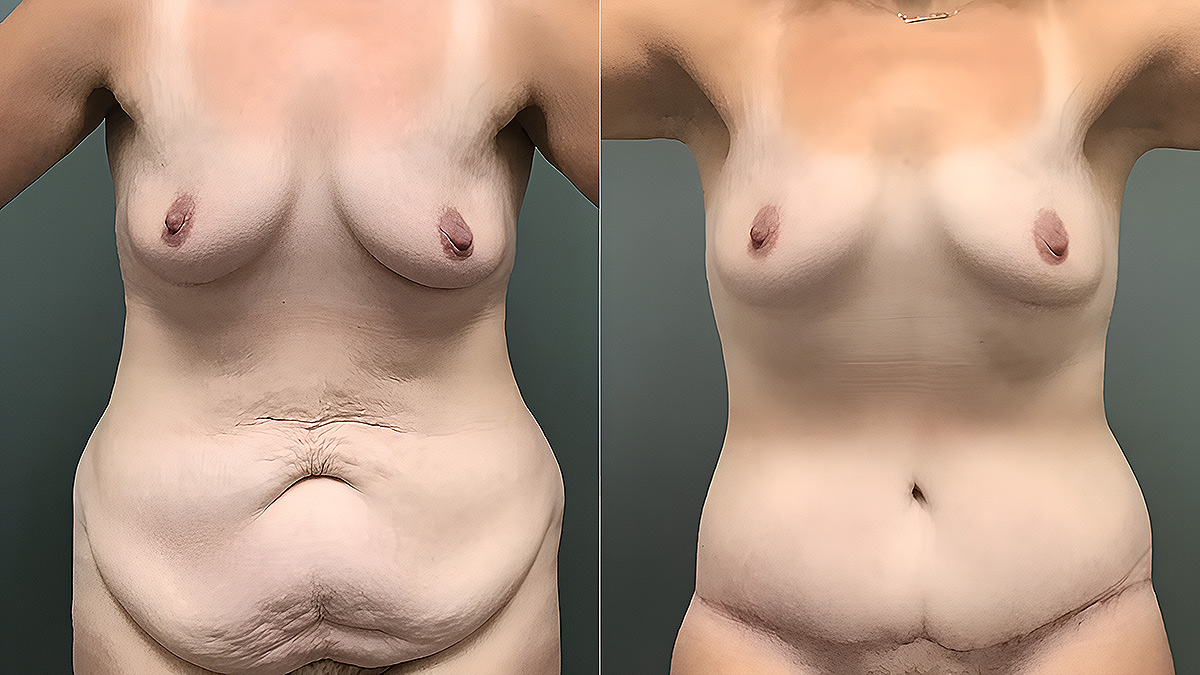
This concern is reasonable. After a tummy tuck, the abdominal skin has been tightened and excess tissue removed. In many patients, the abdominal muscles have also been repaired.
That repair creates a stronger abdominal wall, but it also means the body must move differently while healing.
The first week after surgery is about protecting the repair while the tissues reconnect. Small movements matter. The way you sit up, roll over, and stand can either reduce strain or place unnecessary tension across the incision.
Dr. Michael Baumholtz, a dual board-certified Plastic Surgeon and General Surgeon in San Antonio, designs tummy tuck recovery around clear principles:
- protect blood flow
- reduce tension on the incision
- prevent avoidable strain
- make daily movements predictable and safe
Learning how to get out of bed properly is one of the simplest and most important parts of that plan.
Ready for Surgery? Take Dr Baumholtz Surgery Quiz
Why Sitting Straight Up Is Not Recommended After a Tummy Tuck
Most people are used to sitting straight up from bed using their abdominal muscles.
After a tummy tuck procedure, that movement places direct tension across the surgical repair.
During abdominoplasty:
- excess skin is removed
- the lower abdominal incision is closed under controlled tension
- the abdominal muscles are often tightened using sutures (a procedure called muscle plication)
Muscle plication restores abdominal strength by bringing the separated abdominal muscles back together.
While this repair is strong, it still needs time to heal. Forceful abdominal contractions can increase pressure across the incision and make recovery more uncomfortable.
For this reason, patients are taught a safer way to move.
Video: Abdominoplasty AKA Tummy Tuck
The Safest Technique: The Log-Roll Method
The safest way to get out of bed after a tummy tuck is called the log-roll technique.
Instead of sitting straight up, the body moves as one unit.
Step 1: Bend the knees
Before moving, bend both knees slightly. This helps relax the abdominal muscles and prevents pulling across the incision.
Step 2: Roll onto your side
Roll your shoulders and hips together so the body turns as one piece. Avoid twisting the torso.
Keeping the shoulders and hips aligned protects the abdominal repair.
Step 3: Slide the legs off the bed
Once on your side, gently slide both legs off the edge of the bed.
Step 4: Push up with your arms
Use your arms and shoulders to push your upper body up into a seated position.
Your abdominal muscles should stay relaxed while your arms do the work.
Step 5: Pause before standing
Sit at the edge of the bed for a moment before standing. This helps prevent dizziness and allows your body to adjust.
Step 6: Stand using your legs
Lean slightly forward and stand using your legs, not your abdominal muscles.
At first, you may stand slightly bent at the waist. This is normal and improves gradually over the first several days.
Why the Log-Roll Method Works
The log-roll method protects healing tissues by:
- avoiding sudden abdominal contractions
- minimizing tension across the tummy tuck incision
- keeping the muscle repair stable
- allowing the arms and legs to perform the work
Patients often find this movement easier than expected once they practice it a few times.
Practicing the Movement Before Surgery
One of the easiest ways to reduce anxiety after surgery is to practice the log-roll technique before your procedure.
Try this once or twice at home:
- lie on your back
- bend your knees
- roll onto your side
- push up with your arms
Practicing beforehand helps the movement feel familiar when you are recovering.
The First 48 Hours: What to Expect
During the first two days after surgery:
- the abdomen will feel tight
- standing fully upright may not be comfortable yet
- movements may feel slow and deliberate
This is normal.
The goal during this phase is safe movement, not speed.
Patients are encouraged to walk short distances several times per day. Gentle walking improves circulation and helps reduce swelling.
Why Early Walking Is Important
Short walks may seem unrelated to getting out of bed, but they play a major role in recovery.
Walking helps:
- reduce the risk of blood clots
- improve circulation to healing tissues
- reduce swelling
- improve sleep quality
Most patients begin short walks the same day as surgery.
How Long Will Getting Out of Bed Be Difficult?
Most patients notice rapid improvement during the first week.
A general pattern often looks like this:
- Days 1–3
Movements are slow and deliberate. Assistance from a partner may help. - Days 4–7
Standing becomes easier. The abdomen still feels tight, but mobility improves. - Weeks 2–3
Most patients move comfortably using the log-roll technique without assistance. - After 3–4 weeks
Movement feels much more natural, although heavy lifting is still restricted.
Every patient heals at a different pace, and the exact timeline varies.
Helpful Tools That Make Getting Out of Bed Easier
Several simple tools can make recovery much easier.
- Wedge pillows
- Knee support pillows
- Adjustable beds
- Lift chairs
What If You Accidentally Sit Up Too Fast?
Occasional sudden movements happen and usually do not cause serious problems.
However, if you notice:
- sharp pulling pain
- sudden swelling
- bleeding from the incision
contact the office for guidance.
In most cases, simply returning to the safer log-roll technique prevents further discomfort.
Common Mistakes to Avoid
Patients often try to “push through” discomfort by moving too quickly.
Avoid:
- performing sit-ups to get out of bed
- twisting while rising
- lifting heavy objects early in recovery
- rushing movements during the first week
Slow, controlled movement protects the surgical repair.
When Will You Be Able to Sit Up Normally Again?
As the tissues heal and swelling decreases, patients gradually return to normal movement.
Most patients begin sitting up more naturally after the second or third week, although abdominal tightness may persist longer.
Following the recovery instructions provided during your postoperative visits ensures the repair remains protected during this transition.
FAQs About Getting Out of Bed After a Tummy Tuck
Why does the abdomen feel tight after surgery?
During a tummy tuck, excess skin is removed and the abdominal muscles may be tightened. This creates a firmer abdominal wall, which can feel tight while swelling resolves.
Is it normal to walk slightly bent over?
Yes. Standing slightly flexed during the first several days reduces tension on the incision and improves comfort.
Should someone help me get out of bed?
Many patients find assistance helpful during the first few days, but it is not always necessary once the log-roll technique is learned.
Can I sleep in a recliner instead of a bed?
Yes. Many patients find a recliner very comfortable during the first week of recovery.
When can I sleep flat again?
Sleeping flat usually becomes more comfortable as swelling decreases over the first few weeks.
Why is it important to avoid twisting movements?
Twisting can increase tension across the abdominal incision and place uneven stress on the muscle repair.
How often should I walk after surgery?
Short walks every few hours during the day are recommended unless otherwise instructed.
Will my core strength return after muscle repair?
Yes. Muscle plication restores abdominal support. As healing progresses, strength gradually improves.
What if I feel a pulling sensation when standing?
Mild pulling is common early in recovery. Moving slowly and maintaining slight flexion helps reduce discomfort.
When can I resume normal exercise?
Exercise restrictions vary based on the exact procedure and healing progress. Most patients gradually return to activity after several weeks under guidance.
Medical References
- Matarasso A. Abdominoplasty: Classic principles and techniques. Plastic and Reconstructive Surgery.
- Rohrich RJ, et al. Abdominoplasty and abdominal contour surgery. Aesthetic Surgery Journal.
- American Society of Plastic Surgeons. Abdominoplasty safety and recovery guidelines.
- Stevens WG, et al. Safety of combined cosmetic procedures. Aesthetic Surgery Journal.
Reasons to Choose Dr. Baumholtz for Tummy Tuck Surgery
Patients seeking abdominoplasty in San Antonio often choose Dr. Michael Baumholtz because of his commitment to careful surgical planning and patient education.
Dr. Baumholtz is:
- Board certified in Plastic Surgery
- Board certified in General Surgery
- experienced in both complex reconstructive procedures and aesthetic surgery
- focused on patient safety and long-term outcomes
- directly accessible to patients through office communication and the Symplast patient app
Recovery guidance is designed to reduce anxiety and give patients clear steps that make healing predictable.