
Upper blepharoplasty - often called an upper lid bleph - is a small operation on a highly visible area. Recovery can feel bigger than expected because the eyes are front and center in every conversation, every photo, and every video call. This page lays out a clear plan in practical language. It reflects the steady, conservative approach of Dr Michael Baumholtz, Plastic Surgeon in San Antonio, Texas. He favors simple routines, reliable steps, and honest timelines. Healing is personal, so the guidance below serves as a map rather than a promise. The goal is to reduce anxiety, answer the questions patients actually ask, and give room for your body to do the work.
Dr. Baumholtz is dual-board-certified in General Surgery and Plastic Surgery with additional fellowship training in Hand and Microsurgery. He is known for careful diagnosis, meticulous tissue handling, and accessible aftercare. He avoids hype and avoids jargon. He communicates with the same clarity you will read here. Patients in San Antonio, TX appreciate that the instructions on this page match the conversations that happen before surgery, on surgery day, and in follow-up visits. The message stays consistent: keep it simple, stay in touch, and let healing unfold.
What “Recovery” Really Means Here
Recovery is not time off. Recovery is active care. It is a rhythm of small, protective decisions that add up to a smooth course. For an upper bleph, the aim is straightforward. Control swelling without chasing it. Protect the incision so it matures into a quiet line tucked in the crease. Pace activity so you feel human while the tissues settle. Dr Michael Baumholtz designs an uncomplicated routine on purpose. Simple makes it repeatable. Repeatable makes it successful. His team provides written instructions, reviews them in person, and adapts the details to your day-to-day life, your work, and your family responsibilities in San Antonio. If something feels unclear, a real person answers. That access is part of the model and part of what keeps recovery calm.
Video: Upper and Lower Bleph
How To Read This Timeline
Every phase below describes how you are likely to feel, what to do, what to avoid, and when to reach out. It is meant to be read front to back once and then revisited as the days progress. Keep it on your phone. Mark the sections that match where you are. You are never “bothering” the practice by asking questions or sending photos between visits. Early conversations prevent problems and lower stress. The team expects them. The surgeon welcomes them. The goal is a steady, predictable course that trades guesswork for clarity.
Day 0: The First Hours After Surgery
The first hours are all about protection and rest. Most patients describe tightness across the lids and a mild burning or tearing sensation. There may be a small amount of oozing on the gauze. Light can feel harsh. You may feel a bit foggy from anesthesia. This is normal and expected. Dr Michael Baumholtz, Plastic Surgeon in San Antonio, Texas, wants the evening to be quiet and uncomplicated. Keep your head elevated on two pillows or a wedge whenever you are resting. Apply cool compresses at brief, regular intervals while awake. Take the pain medicine exactly as directed, and pair it with a small snack and water to prevent nausea. Drink throughout the day and keep your first meal light and bland. Walk short laps indoors every few hours to keep circulation moving and stiffness away. Wash your hands before you come anywhere near the eyelids, and when you clean your face, pat the area dry rather than rubbing. Lower the brightness on your phone and computer. Dim the room lights. Settle in.
Avoid bending from the waist, straining, or lifting anything heavy. Avoid long screen sessions and late-night scrolling. Skip smoking and vaping entirely - both reduce blood flow and slow healing. Call the office if severe pain does not improve with the prescribed medication, if your vision changes or doubles, if one eyelid becomes suddenly tense or significantly more swollen than the other, or if bleeding soaks through dressings and does not stop with gentle pressure. Those are the moments when early contact matters. The team will tell you exactly what to do next.
Days 1-2: Settle In And Protect The Result
Swelling usually increases during the first forty-eight hours. That is how the body responds to delicate work around the eyes. Bruising may develop or deepen. Skin can look shiny and feel tight. None of this means anything is wrong. Continue to rest with your head elevated during sleep and whenever you are sitting quietly. Keep using cool compresses while awake if they feel good. Add lubricating drops if your eyes feel dry, gritty, or sensitive to light. Keep walking short, frequent laps inside the house. Movement is good for your mood and good for your circulation. Unless you were directed to use an ointment, keep the incision clean and dry. Take medications on time and consider a simple note on your phone to track them.
Avoid rubbing, picking, or testing the incision. Avoid long grocery trips, heavy housework, and anything that forces you to bend and strain. Keep makeup and fragrance-heavy skincare away from the area. Plan small comforts. Sit on the porch for a few minutes near sunrise. Put on gentle music. Call a friend who makes you laugh. Accept help from the people who offered. Delegating early tasks is not weakness; it is smart recovery.
Days 3-4: Peak Swelling Window
This is the most emotional window for many people. Bruise colors shift from purple toward green or yellow. Outer corners may look puffy. Some spots can feel firm to the touch. This is also the point where most patients turn the corner. Stay with the basics. Keep your head elevated at night and during naps. Use cool compresses as needed but taper them when comfort improves. Continue the short, regular walks. Handle the incision with care and pat dry after cleansing. When you step outside, wear sunglasses and a hat. The San Antonio sun is strong year-round, and shade makes healing kinder.
Skip cardio, inversions, and anything that drives blood pressure into your face. Yard work can wait. Laundry baskets can wait. Hot tubs and saunas are a bad idea. Build a day that encourages patience. Choose a short audiobook. Watch a movie in soft light. Dr Michael Baumholtz, Plastic Surgeon in San Antonio, Texas, talks about this stretch in advance for a reason. When you expect the “day three wobble”, it feels less dramatic when it shows up.
Days 5-7: Turning The Corner
Most patients notice a gentle shift during this period. Swelling softens. Bruising lightens. The eyes begin to feel familiar. If external stitches were placed, removal often takes place now. That visit is quick and comfortable for most people. The team will tell you when to transition from ointment to gentle cleansing once the skin is sealed and dry. If you are cleared to use concealer, choose a clean, fragrance-free product and remove it with care at night. Keep walking daily. Add light household tasks that do not involve bending or strain. Continue to sleep with the head slightly elevated if puffiness lingers in the morning.
Glasses are fine throughout. Contact lenses wait until you are cleared, and even then, start with a short wear time and build gradually. If your job is desk-based, a return near the end of this window is reasonable for many. Plan generous breaks for your eyes and mind. Set larger fonts. Use a matte screen filter. Noise-canceling headphones help reduce fatigue. Small adjustments make the first days back feel manageable.
Week 2 (Days 8-14): Back To Routine, Carefully
By the second week, bruising is often faint. Corner puffiness may appear at the end of a long day or in harsh lighting. Makeup sits better on the skin. Friends may comment that you look rested. If you are cleared for activity, begin with easy, low-intensity cardio such as casual walks or gentle time on a stationary bike. Stop if the eyelids throb or if you feel pressure building in your face. Protect your eyes during screen time with the 20-20-20 rhythm - every twenty minutes, rest your eyes on something twenty feet away for twenty seconds. It matters more than it sounds.
Begin scar attention only when instructed. In many cases this means brief daily massage along the crease and strict sun protection. In South Texas, sunglasses and sunscreen are not optional. Hydrate. Skin looks and feels better when you do. Avoid heavy lifting, sprints, contact sports, and hot yoga for now. Avoid rubbing the crease with makeup wipes or rough towels. Confidence usually returns here. Minor ripples and tiny irregularities soften with time and expression. If something is worrying you, bring it up. Dr Michael Baumholtz, Plastic Surgeon in San Antonio, Texas, prefers early course corrections over silent stress.
Weeks 3-4: Normal Life, With Nuance
By weeks three and four, social bruising is typically gone. Mild end-of-day puffiness can linger, especially when the weather is hot, the meal was salty, or the screen time was long. Cameras and close-up photos can exaggerate tiny ridges that people never notice in conversation. If you are cleared to exercise more, build gradually. Add gentle resistance with low weight and precise form. Keep hydration steady. If you travel, organize help for luggage and give yourself time to stretch. Consider aisle seats and frequent walks on the plane. When it comes to makeup, light, sheer layers beat heavy cover. Remove product with a gentle balm and tepid water, and keep pressure off the crease. Sun protection continues every day. Public-facing work and social events are easier now. If an important milestone is on your calendar - professional photos, a reunion, a big presentation - try to schedule it toward the end of week four.
Sleep remains a useful tool. If morning puffiness annoys you, keep a slightly elevated head position. Approach late nights and heavy meals with caution. Small choices still influence how the eyelids look and feel the next day.
Weeks 6-8: Refinement Phase
This is the phase when most people stop thinking about their eyelids during the day. The crease blends into the surrounding skin. Sensations settle. Most patients are cleared for unrestricted activity during this window unless there is a specific reason to wait. Continue daily sunscreen. Maintain a sensible routine with gentle cleanser, moisturizers appropriate for sensitive skin, and eye-safe products. If a hint of pinkness lingers in bright light, a touch of concealer is reasonable.
Dr Michael Baumholtz, Plastic Surgeon in San Antonio, Texas, reminds patients that eyelids mature gracefully. Patience and simple habits deliver steady results. The aim is not to chase every tiny change. The aim is to support the body while it finishes the finer work beneath the surface.
Months 3-6: Maturation And The “Finished” Look
Between three and six months, texture softens and color normalizes. In most lighting, the crease reads as a fine, quiet line within your natural fold. The overall effect is rested rather than “done”. Keep sunscreen in your morning routine. Ultraviolet light can darken healing skin and prolong redness. Schedule a follow-up if questions arise about long-term care, skincare choices, or timing for important photographs and events. Sleep, hydration, smart salt intake, and steady exercise continue to matter.
Upper blepharoplasty removes extra skin and weight on the upper lid. It does not freeze time. Aging and expression continue, as they should. Many patients enjoy a long, comfortable result when they protect the skin from the sun and maintain good daily habits. That balance - realistic expectations and simple discipline - is exactly what Dr Michael Baumholtz teaches before surgery.
Blepharoplasty Before and After Photos
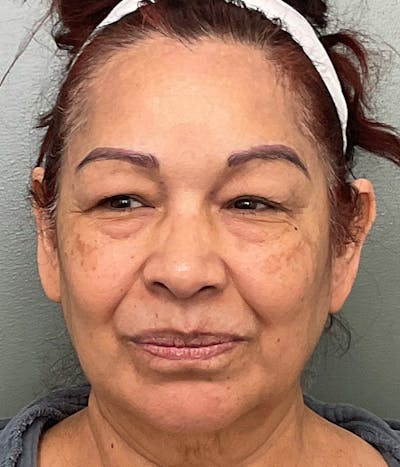

Visit Blepharoplasty Gallery for More Before and After Photos
What Can Change Your Timeline
No two recoveries look the same. Skin quality and elasticity differ from person to person. Age, general health, and baseline dryness or allergies play a role. Some people bruise easily. Others swell more. The surgical plan matters as well. Upper lids alone behave one way. Upper lids combined with a brow procedure can add time. The amount of skin removed and the tissue quality observed during surgery guide post-op advice. Even the weather and pollen count in San Antonio can affect comfort day by day. Heat and high UV tend to magnify swelling and can darken healing skin. Pollen can irritate the eyes and make them feel gritty. Sunglasses, shade, and lubricating drops become simple allies. Errands planned for morning or evening help. Windows closed on high-pollen days help. The bottom line is simple. Your recovery is yours, and the team will adjust the instructions to match your progress. Course corrections are normal. Communication keeps everything on track.
Comfort And Confidence Toolkit
Preparation makes the first forty-eight hours easy. Having cold compresses ready, a few gel packs in rotation, and a wedge or extra pillows in place makes elevation automatic. Keeping artificial tears and a gentle, fragrance-free cleanser on hand avoids last-minute trips to the store. Clothes that open in the front help you avoid pulling fabrics over your face. A wide-brim hat and dark sunglasses make a quick errand discreet. Entertainment that does not strain the eyes - podcasts, audiobooks, a favorite album - fills the quiet space without fatigue.
Set up a small recovery corner at home with soft light and water within reach. Jot questions on a notepad or in your phone as they occur and bring them to your visits. Take a simple daily photo in the same light. When you look back at the week, progress is easier to see. Plan easy, low-salt meals and emphasize protein, fruits, and hydration. Ask a trusted friend or family member to be your helper for the first two days. Celebrate small wins along the way. The first walk outside. The first day you forget to check the mirror. The first day you skip concealer. If anxiety spikes, call the team. Reassurance is part of care, and Dr Michael Baumholtz expects those conversations.
Work, Driving, Screens, Makeup, And Contacts
Returning to work depends on the job, not a calendar square. Remote and desk roles often resume around one to two weeks, adjusted for bruising, comfort, and the demands of your schedule. Client-facing roles benefit from flexible timing and thoughtful lighting during the first days back. If you present or teach, shorter blocks and more frequent breaks help. Drive only when you feel visually comfortable, can focus without strain, and are not taking sedating medications. Make the first trip short, in daylight, on familiar streets.
Screens deserve a plan. Increase font size. Reduce glare. Consider a matte filter and night mode. Blink on purpose every few minutes to counter dryness. Makeup returns only after the incision is closed and you are cleared. Begin with minimal, gentle products and clean tools, then remove them without scrubbing. Contacts require clearance and patience. Start with a short wear time, then build. If dryness or irritation appears, remove them and rest your eyes. Hygiene first. Comfort second. Fashion third. That order keeps you safe.
Red-Flag Awareness, Stated Calmly
Some signs require prompt attention. Severe pain that does not improve with medication, new vision changes, double vision, or increasing sensitivity to light are not typical. One eyelid that becomes rapidly tense, firm, or very swollen needs evaluation. Bleeding that soaks dressings or does not stop with gentle pressure needs evaluation. Fever, foul drainage, or spreading redness along the incision deserves a call. Before surgery, you will receive emergency instructions and direct contact numbers. The expectation is simple. If you worry, you call. Early conversations prevent bigger issues and lower stress.
Brow Vs. Eyelid: Getting The Diagnosis Right
Patients often come in asking for an upper bleph because the skin on the eyelid feels heavy. In some people, that is exactly the right operation. In others, the real driver is brow descent pushing tissue onto the lid. In those cases, operating on the lid alone can help but may not fully address the concern. During consultation, Dr Michael Baumholtz, Plastic Surgeon, examines brow position, eyelid platform, and symmetry. He reviews photos and measurements, explains what he sees, and discusses options that respect anatomy and function. The right diagnosis protects your result and your time. This is where a conservative style matters. He would rather recommend the approach that works for your anatomy than perform a quick fix that underdelivers.
Realistic Results And What They Feel Like
The best everyday feedback arrives quietly. Eye shadow glides on without catching skin. Glasses sit without pinching a fold. Reading feels easier because the upper field is open. Coworkers say you look rested. Friends cannot pinpoint why. That is a common and welcome outcome. It is also important to know what upper blepharoplasty does not do. It does not change eye color. It does not erase every fine line. It does not create the same look as a brow lift when brow position is the real issue. It does not counteract a week of poor sleep and heavy salt. Healthy habits still matter.
Follow-up visits are where small adjustments make a difference. A different timing for lubricating drops can solve an afternoon dryness issue. A change in sleep position can reduce morning puffiness. A reminder to hydrate can improve how the crease looks by dinner. Small changes stack up. Dr Michael Baumholtz schedules and encourages these touchpoints because they protect your comfort and your progress.
Planning And Logistics In San Antonio, TX
Timing matters. Many people choose long weekends or school breaks to create a natural buffer for privacy and rest. Spring and fall feel comfortable for short outdoor walks in San Antonio. Summer works with early-morning errands, shade, and strong sun protection. Winter winds can dry the eyes; keeping drops in your bag helps. A trusted adult must drive you home on surgery day. Plan a quiet first forty-eight hours with meals prepped, pet care handled, and a simple schedule. Parents often arrange a carpool or kid-swap to avoid the evening rush. If you prefer privacy, curbside pickup and online ordering remove pressure during the first week.
Climate-smart recovery helps. Park in shade and pre-cool the car in the hotter months. Avoid midday sun while bruising is visible. Keep a water bottle within reach. San Antonio’s dry heat and bright light can make eyes feel sensitive during recovery. Small decisions - shade here, sunglasses there - add up to a more comfortable course.
Cost, Policy, And Scheduling Notes
Upper blepharoplasty for aesthetic goals is self-pay. This practice does not take insurance. Fees are reviewed during consultation once your surgical plan is defined. Dr Michael Baumholtz, Plastic Surgeon in San Antonio, Texas, is direct about pricing and about what is included - surgeon’s fee, facility, anesthesia, and routine follow-ups for your recovery period. There are no hidden line items. Transparency lowers stress and supports good decisions.
You will receive written details about deposits, timing of payments, and rescheduling etiquette. A pre-operative checklist helps you arrive prepared with transportation, medications, supplies, and support confirmed. If life changes your calendar, call early. The team will help you rebook safely. Value is more than a number. You are investing in careful diagnosis, conservative technique, and accessible aftercare that continues until you are finished healing. That combination is the service this practice offers.
Why This Practice’s Aftercare Feels Different
Technique and communication matter equally. Dr Michael Baumholtz favors conservative choices that respect delicate eyelid tissue and support predictable healing. Instructions come in plain language and short steps you can follow without guesswork. Access to the surgeon and the team is early and frequent. Questions are answered, not brushed aside. Follow-through continues well beyond the first few weeks. Patients describe the experience as calm and organized, and many arrive by referral after complex cases elsewhere. The aim is consistent for everyone: safe surgery, clear expectations, and a recovery that feels manageable day by day.
This steady model reflects how the practice has cared for people in San Antonio for years. It also explains why results feel quietly natural in everyday life. Function and comfort come first. The rested look follows.
Day-By-Day Snapshot (Quick Reference)
On day zero, rest and protect the work. Keep your head elevated, use cool compresses, take medicine on time, and walk short laps inside. During days one and two, expect swelling to rise. Stay elevated, keep compresses handy, limit screens, and keep hands off the incision. Days three and four bring the predictable peak. Be patient, move lightly, wear sunglasses outside, and avoid heat. In days five through seven, many patients feel the turn. Stitches - if present - often come out, cleansing becomes simpler, a touch of concealer may be allowed, and some desk work can restart. In week two, light cardio returns when you are cleared. Makeup can come back once the skin is sealed. Screen habits matter and confidence grows. Weeks three and four bring a wider routine, gradual exercise, smart travel planning, and daily sun protection. Weeks six through eight represent refinement. Full activity is common, the crease blends, and skincare stays simple. By months three to six, the look has matured. Sunscreen and healthy basics carry the result forward.
Save this paragraph. It is a useful compass on the days when mirrors feel loud and patience feels thin.
Who Thrives With This Approach
This process suits people who value clarity and calm over quick promises. It fits patients who want a surgeon present before and after, not just during the operation. It serves anyone who appreciates San Antonio-savvy guidance tailored to heat, UV, and allergens. It speaks to those who prefer honest timelines and stepwise progress rather than flashy claims. That is the care model Dr Michael Baumholtz stands behind, and it is the experience his practice delivers.
FAQs About Upper Blepharoplasty Recovery In San Antonio
Will the South Texas heat make swelling worse if I run quick errands in the first week?
Dr Michael Baumholtz advises keeping outings short and shaded during the first seven to ten days. Heat and bright sun can prolong puffiness, so he suggests early morning or evening trips, sunglasses, a wide brim hat, and brief car-to-door walks. If the lids feel fuller after being outside, he recommends head elevation and a cool compress once you are home.
My job is on video calls all day in San Antonio time zones. When can I look presentable on camera without heavy makeup?
Most patients feel camera comfortable around the end of week one to early week two when bruising has faded and the crease is sealed. He recommends softer lighting, slightly warmer color temperature, and a higher camera angle. Light concealer can be used once you are cleared. Short meetings with planned breaks reduce eye fatigue.
I wear contacts in the Texas pollen seasons. How soon can I put them in without irritating the incision?
Contacts return only after clearance at a follow up visit. For many, this is after the first week once the surface feels calm and lubricated. He asks patients to start with one to two hours, bring rewetting drops, and switch back to glasses if any dryness or scratchiness shows up. Hygiene and comfort guide the timeline more than the calendar.
Can I walk the River Walk or visit an outdoor market the first weekend after surgery if I take it slow?
Light walking is encouraged, but he recommends flat, uncrowded routes close to home in the first week. Crowds, heat, and unexpected bumps or bending can raise pressure and increase swelling. By week two, many patients enjoy short outdoor strolls with sunglasses and a hat, keeping breaks frequent and hydration steady.
What if one eyelid looks more puffy than the other in week two. Is that normal or a reason to be seen?
Mild side to side differences are common while swelling resolves. He looks for steady improvement day by day rather than perfect symmetry. If one side becomes suddenly tense, painful, or much firmer than the other, he wants a same day call. Otherwise he often recommends continued elevation, gentle cleansing, and photos to track progress.
I need to drive on I 10 to get to work. When is it safe to handle bright glare and fast traffic without eye strain?
Driving resumes only when you are off sedating medications, feel visually comfortable, and can focus without effort. He suggests a first short drive in daylight on familiar streets before tackling highways. Polarized sunglasses help with Texas glare. If the eyes tire, he recommends delaying highway driving a few more days.
Will my eyelids react if mountain cedar season flares up during recovery?
Seasonal allergens can increase tearing and irritation. He usually recommends keeping lubricating drops available, limiting outdoor exposure on high pollen days, and using sunglasses as a wind shield. If allergy symptoms surge, he prefers a quick check in so he can tailor advice to protect the incision and maintain comfort.
Ready For Next Steps?
If this recovery plan matches your style - quiet, organized, and personal - schedule a thoughtful consultation with Dr Michael Baumholtz, Plastic Surgeon in San Antonio, Texas. Bring your questions. Share your goals. Leave with a plan that respects your anatomy, your schedule, and your safety. Call the office to speak with the team. Request a consultation online through the practice website. Ask about pre-visit photos to make your appointment efficient and focused. Your eyelids are delicate. Your plan should be deliberate. Let Dr Michael Baumholtz guide you with the same conservative, patient-first approach his San Antonio practice is known for.