
A Practical Guide From Dr. Michael Baumholtz, Double Board-Certified Plastic Surgeon
Weight loss takes discipline and time. For many people, the inner thigh skin does not rebound, which can lead to rubbing, rashes, and clothing that shifts. Dr. Michael Baumholtz meets patients at this stage with clear explanations and plans that fit daily life in South Texas. His focus is comfort, function, and proportion - built on safety and straightforward expectations.
Quick Facts
Thigh lift surgery at Baumholtz Plastic Surgery is designed to reduce friction and improve how clothing sits by removing extra skin from the inner thigh. After significant weight loss, most people require tightening in two directions - vertically and horizontally - to create a stable envelope that behaves predictably during walking, sitting, and exercise. Dr. Baumholtz performs these operations in accredited facilities with continuous anesthesia monitoring, and he layers local anesthetic for comfort even when general anesthesia is used. He avoids long, multi-area marathons and instead plans procedures that match each person’s anatomy and recovery needs.
This practice is cash-pay; a written quote explains the surgeon’s fee, facility costs, and anesthesia services so the plan is transparent from the start. Recovery begins with gentle walking on day one and progresses over several weeks, while scars continue to evolve for many months. Follow-up is scheduled and access between visits is straightforward, because simple questions answered early keep healing on track. A key point of technique: patients do not wake up in a compression garment; compression begins only after drains are removed to protect hygiene and early healing.
What A Thigh Lift Can Help
Many people notice that, after weight loss, the inner thighs continue to fold and rub, especially on warm or humid days. Shorts and leggings may twist or ride up, and moisture can lead to irritation that turns simple errands into a chore. A thigh lift aims to reduce these frictions by removing skin so fabrics glide more predictably and the legs move without catching. It is a practical operation with a clear purpose: to align a smaller frame with an oversized skin envelope so daily activities - walking the dog, climbing stairs, exercising indoors - feel steadier. The operation does not replace healthy habits; it addresses extra skin. In selected areas, small fat pads can be refined with liposuction for smoother transitions, but skin removal remains the foundation. For people planning broader post-weight-loss care, thigh surgery is often coordinated with abdominoplasty, lower back or buttock support procedures, arm reduction, or breast surgery, usually in stages so each area heals well and the person can manage recovery at home.
Video: Inner Thigh Lift - Dr Michael Baumholtz
Why Thigh Skin Stays Loose After Weight Loss
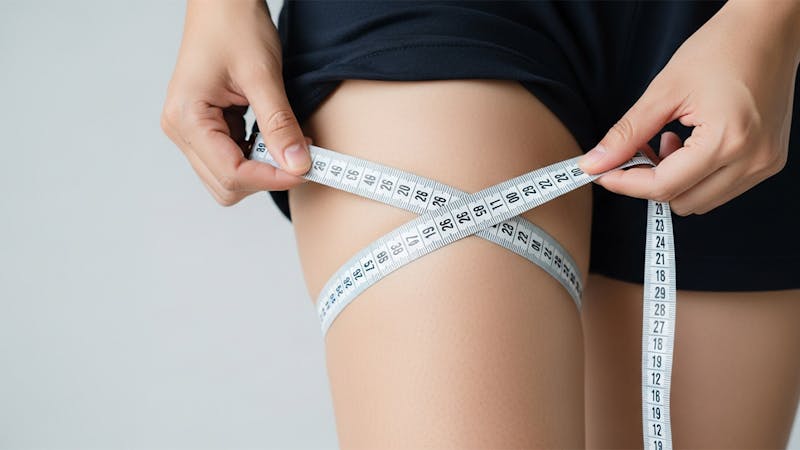
Skin stretches to accommodate change and, over time, loses some of its ability to recoil. After weight loss - whether through lifestyle, medication, or bariatric surgery - the inner thigh commonly shows looseness in two directions: upward toward the groin and downward toward the knee. San Antonio’s heat and humidity can magnify the problem, as moisture at skin-on-skin contact points causes chafing and rashes. Building strength is helpful for fitness and posture, but it does not shrink the skin envelope once the internal supports thin out. Age, genetics, cumulative sun exposure, and any history of nicotine use influence how far the tissue will retract. When the core issue is position rather than volume, removing extra skin becomes the reliable way to create a stable contour that holds up through daily movement.
Who Is A Candidate?
Candidacy rests on readiness and safety. Dr. Baumholtz looks for stable weight over several months, complete avoidance of nicotine in all forms, and medical conditions that are optimized for anesthesia and healing. People should understand the trade - skin removal produces scars - and have the time and support to follow an early recovery routine at home. Certain situations may prompt a pause, such as ongoing weight change, poorly controlled health issues, active skin infection, or medications that cannot be adjusted safely. In those cases, a short delay usually improves healing and makes the final outcome more durable. The conversation is direct and practical: the plan should fit the person’s life and protect recovery.
Your Consultation
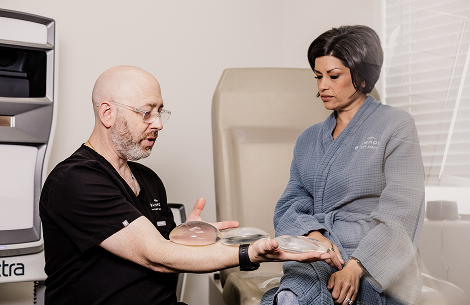
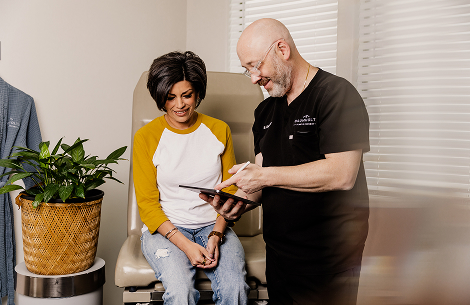
A thorough consultation sets expectations and builds a plan tailored to anatomy. Dr. Baumholtz reviews health history, current medications, prior surgeries, and daily routines that might affect mobility in the first weeks. He evaluates skin quality, tissue thickness, and the direction of laxity, then uses mirrors and photographs to show where incisions are likely to sit and how common clothing conceals them. If several body areas need attention, he outlines a staged sequence so blood supply, comfort, and home logistics remain manageable. Garments, transportation, and home setup are reviewed so the first evening is as calm as possible. Liposuction may be added as a finishing tool for small fat pads, but it does not replace the need to remove extra skin when looseness is the main concern. Time is spent on scar behavior and long-term care, because understanding the first year helps reduce worry and avoid surprises.
Surgical Options
There is more than one way to lift the thigh, and the choice depends on where the skin is loose and how it pulls. A horizontal lift focuses on the upper inner thigh by tightening toward the groin, with an incision that hides in the bikini line. This approach is best when laxity stays close to the crease. When looseness runs down the leg, a vertical inner-thigh lift removes a tailored panel of skin from the groin toward the knee, placing the incision in the natural shadow between the legs. After major weight loss, most people need help in both directions. The combined or “T-pattern” plan uses a groin-crease incision together with a vertical incision to tighten across and down for balanced control. When the outer thigh and lower buttock have dropped or when laxity wraps around the leg, a spiral or lateral strategy can be chosen to address the full circumference. In any of these operations, liposuction may be added sparingly to smooth transitions; it is never used as a substitute for removing extra skin. Dr. Baumholtz is candid that a groin-only incision rarely solves two-direction laxity; attempting to do so often leaves residual folds at the crease. A combined plan is usually the safer, more predictable route after significant weight loss.
Incisions And Scar Placement
Incisions are planned with purpose. A groin-crease incision hides in typical underwear lines and targets the upper thigh where many people first notice rubbing. A vertical inner-thigh incision is visible at close range yet sits in the shadow between the legs and tends to recede with time and thoughtful care. When the outer thigh or buttock need support, the incision may extend around the hip to lift the lateral contour. Scar care begins once the skin has sealed and continues through the first year with sun protection, silicone therapy, and gentle massage as advised. Early scars often appear pink and firm; over several months they soften and lighten. Good habits - hydration, protection from the sun, and avoiding friction - help turn new scars into quiet lines that blend into natural shadows.
Safety First
Safety guides every decision. Procedures are performed in accredited facilities with board-certified anesthesia providers and continuous monitoring. Dr. Baumholtz favors focused operations over lengthy combinations to reduce anesthesia time and maintain temperature and fluid balance. Prevention of blood clots begins before the first step out of bed and includes early walking, mechanical measures, and medication when indicated by the person’s risk profile. Antibiotic use is tailored to the procedure and medical history. Pain control is layered to keep comfort steady without excess sedation, and nausea prevention starts before anesthesia is given. Complete nicotine avoidance is required because blood flow and skin healing do not negotiate with nicotine. When more than one region needs attention, he typically stages care so mobility at home is preserved and recovery is predictable.
Day-Of-Surgery Experience
Surgery day is organized and unhurried. Patients arrive with a support person and review the plan one more time in a private setting while markings are completed. In the operating room, anesthesia is smooth and monitoring is continuous. Tissue is handled gently and deeper support is used so skin is not placed under unnecessary tension. At the end, dressings are applied and drains are secured when they are part of the plan. Patients do not wake up in a compression garment; that step waits until drains are removed so the skin can settle naturally and hygiene is easier at home. Written instructions and direct contact information go home with the patient, and most people are able to rest in a prearranged area the same day. Comfortable, loose clothing that opens in the front and easy shoes make the transition home simpler.
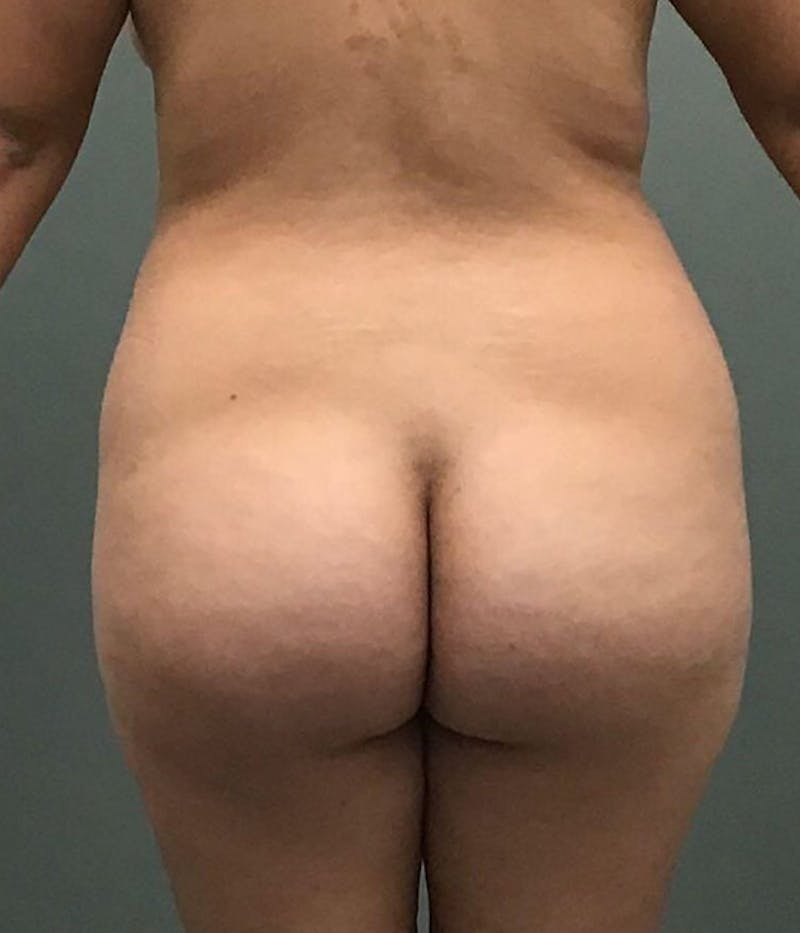
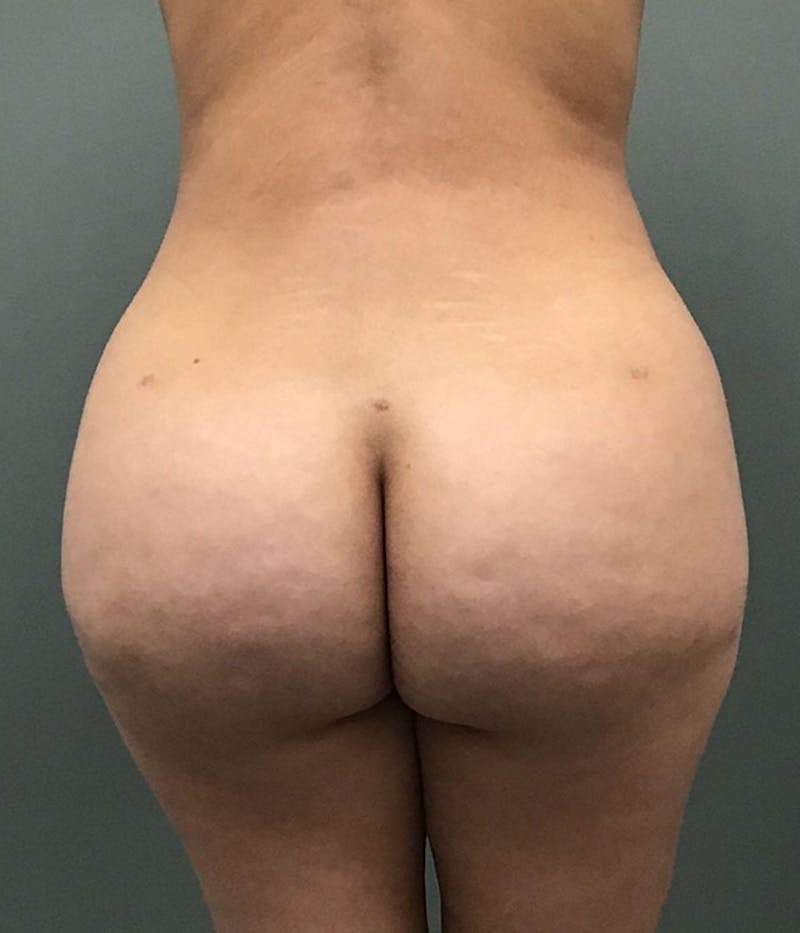
Brazilian Butt Lift Before and After Photos
Recovery Timeline
The first week focuses on rest, light walking, and protecting incisions. Short, frequent walks support circulation while resting with the legs slightly apart reduces tension at the groin. Dressings are kept clean and dry, and drains are monitored with simple logs until output falls to a level that supports removal. Compression is intentionally delayed; it begins only after drains are out to avoid trapping fluid and to make daily washing and inspection easier.
During weeks two and three, many people notice that bruising fades and swelling starts to ease. This is typically when a soft, well-fitting garment is introduced. Desk work and brief errands resume as comfort allows, and early scar care begins once the skin is sealed. Weeks four through six bring more momentum. Light exercise returns with guidance, and time in compression slowly decreases as swelling settles. From weeks six to twelve, the contour refines in waves. Clothing fits more predictably, outdoor walks feel easier, and a gradual return to strength work is possible with clinic clearance. Over the following months, scars soften and color settles. Sensation often improves as swelling resolves. Throughout, sun protection is essential, especially in South Texas. Sleep positions that keep the thighs supported and hygiene routines that keep the inner thigh dry make the process smoother. Small adjustments - like a moisture-control barrier during early walks - can make a noticeable difference.
Activity, Work, And Daily Life
Returning to work depends on the job. Many desk roles are manageable in one to two weeks, while jobs that involve lifting, squatting, or climbing may need more time. Exercise resumes in stages: walking first, then low-impact cardio, and later lower-body strength work once the tissues have settled and clearance is given. Driving should wait until prescription pain medicine is no longer needed and reacting quickly feels natural again. Intimacy returns when movement is comfortable and the skin has sealed; early on, it helps to avoid direct pressure on fresh scars. Swimming and soaking wait for complete sealing and clinic approval. Clothing choices matter in the short term: soft, breathable layers that glide across the skin are kinder to new incisions than tight seams. In San Antonio’s climate, planning errands earlier in the day, staying hydrated, and using light fabrics make the first months more comfortable.
Risks And How They Are Managed
All operations involve risk, and discussing them plainly helps people prepare. Possible issues include bleeding, fluid collections, infection, delayed healing, and scars that become thickened or wider than expected. Asymmetry and surface irregularities can occur, and in some cases a later revision is the right choice. Rare but serious events, such as blood clots, are addressed through risk assessment and prevention steps chosen for the individual. Risk is reduced through careful markings, precise technique, and protection of blood supply, as well as early walking and a simple, reliable routine at home. Patients share in this process by avoiding nicotine, staying hydrated, attending visits, and contacting the office early if something seems off. Red flags - such as one-sided swelling, fever, spreading redness, new shortness of breath, or a sharp change in drain output - should prompt a call to the clinic without delay.
Cost And Value
This is a cash-pay practice. During consultation, Dr. Baumholtz provides a written quote that explains the surgeon’s fee, facility charges, and anesthesia services, along with an outline of the garment plan and routine follow-up so there are no surprises later. Pricing reflects the complexity of the operation, expected time in the operating room, and whether a staged sequence is recommended. Some people choose to explore third-party financing; terms and approvals are arranged directly with the lender. For most, value is measured by more than a fee schedule - it includes safety, access to the team, and consistent follow-through from the first visit through long-term healing.
Why Patients Choose Dr. Michael Baumholtz
Dr. Baumholtz is double board-certified in General Surgery and Plastic Surgery and is known for careful planning and steady, revision-friendly technique. Visits are unhurried and communication is direct, with measurements and photographs supporting decisions rather than marketing language. People appreciate the way plans are staged to fit work and family schedules in South Texas, and how access to the surgeon and team continues long after the operating day. The consistent theme is practical care that favors safety and function in daily life.
Preparing For Your Consultation
A small amount of preparation makes the first visit more productive. Bringing photographs of results you like on similar body types helps clarify goals quickly. A complete medication list and brief health summary allow anesthesia and recovery plans to be tailored to you. Setting up a quiet rest area at home in advance - with extra pillows, light meals, and chargers within reach - turns the first evening into a calmer experience. Transportation that avoids long walks in the heat and identifying a support person for the first couple of days are practical steps that make recovery smoother. Before surgery, follow the nicotine policy fully, discuss any history of clotting or wound issues, and review which medications or supplements should be paused and which should continue. Picking up prescriptions ahead of time, practicing getting in and out of a chair with the legs slightly apart, and laying out loose, front-opening clothing are simple habits that pay dividends after surgery.
FAQs About Thigh Lift After Weight Loss
Will a thigh lift reduce irritation in warm weather?
Yes. By removing excess skin, the inner thighs no longer create the same fold-on-fold contact that traps heat and moisture. People still do better with breathable fabrics and sun protection, but day-to-day walking, errands, and light exercise typically feel smoother once healing is complete.
When can I sit through a Spurs game or a Fiesta event?
Around weeks three to four, many people can manage brief, supported sitting with a small cushion and periodic position changes. Longer events and lots of stairs should wait until the clinic confirms that swelling and mobility are ready for that level of activity.
When do I start compression?
Compression begins after drains are removed. Introducing a garment too early can interfere with drain function and make hygiene harder. Once drains are out, a soft, well-fitting garment supports the new contour and makes movement more comfortable.
Will scars rub where the chafing used to occur?
Early scars are sensitive and need protection with silicone therapy and soft layers. As scars mature and extra skin is gone, the former hot spots generally settle down, and most people report that irritation is no longer a daily issue.
When can I hike in the Hill Country again?
Indoor flat walking starts immediately. Level outdoor walks follow soon after. Uneven terrain and inclines are added once swelling decreases and range of motion feels natural; timing is individualized at follow-up.
What happens to tattoos near the incision?
Tattoos close to the planned excision may shift or be partially removed depending on location and how much skin is needed to achieve a stable contour. This is reviewed during markings so expectations are clear before surgery.
Does coughing during cedar season stress incisions?
Frequent coughing can increase tension on early incisions. Supporting the inner thigh with your hands or a folded towel during a cough or sneeze helps. Managing allergies, staying hydrated, and using a humidifier can lessen symptom spikes.
How do drains work and how are they removed?
Drains prevent fluid from collecting in the early healing phase. You will record output at home and return for removal when the numbers are low and stable. Removal is brief and performed in clinic.
What kind of compression garment will I use?
After drains are removed, the team helps select a soft, breathable garment that is easy to put on and take off. The plan includes how many hours per day to wear it and how to wash and rotate garments so the skin stays clean and comfortable.
Medical References
- A Comprehensive Review of Medial Thighplasty: The Role of Liposuction
https://pmc.ncbi.nlm.nih.gov/articles/PMC11989391/ - Effectiveness of Body Remodeling and Cellulite Treatments Using Symmed RF Therapy
https://onlinelibrary.wiley.com/doi/10.1111/jocd.16796 - Complications After Thigh Lift Surgery—Common, but Usually Minor
https://www.plasticsurgery.org/news/press-releases/complications-after-thigh-lift-surgery%E2%80%94common-but-usually-minor-reports-plastic-and-reconstructive-surgery - Subcutaneous Radiofrequency Microneedling for the Treatment of Thigh Skin Laxity
https://pmc.ncbi.nlm.nih.gov/articles/PMC6624002/ - Thighplasty in the Weight Loss Patient
https://pmc.ncbi.nlm.nih.gov/articles/PMC2884757/ - Sagging Skin - an overview | ScienceDirect Topics (Medicine and Dentistry)
https://www.sciencedirect.com/topics/medicine-and-dentistry/sagging-skin - Sagging Skin - an overview | ScienceDirect Topics (Pharmacology and Toxicology)
https://www.sciencedirect.com/topics/pharmacology-toxicology-and-pharmaceutical-science/sagging-skin
Ready To Talk?
To learn whether a thigh lift matches your goals, schedule a private consultation with Dr. Michael Baumholtz in San Antonio. The visit covers anatomy, incision patterns, garment timing, and a recovery plan that fits your schedule. You will leave with a clear summary of what is possible and how to move forward safely. Contact Baumholtz Plastic Surgery at 210-660-5579 or visit the practice website for details. Every procedure carries risks and individual results vary; the right plan is made after an in-person exam.