
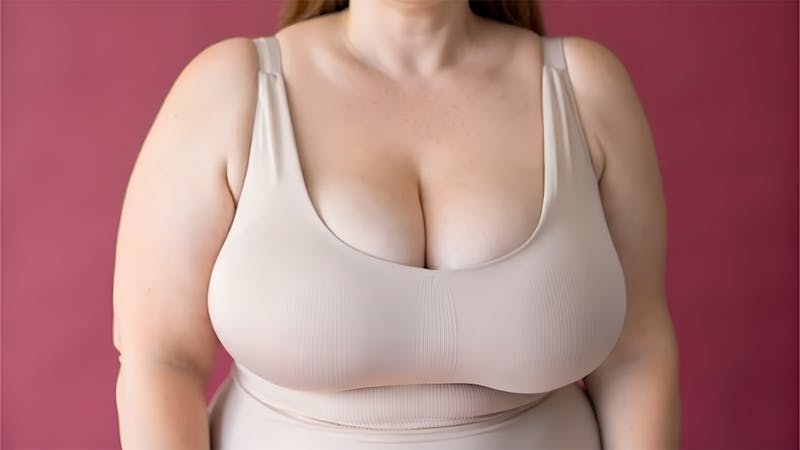
Living with heavy breasts is not just an aesthetic frustration. It is a daily weight that pulls on the neck, shoulders, and back. It limits movement. It complicates clothing choices. It can chip away at how you feel in your body. Dr. Michael Baumholtz, a dual-board-certified Plastic Surgeon in San Antonio, Texas, approaches this problem with clear goals in mind: help patients feel better, move better, and live better. At Baumholtz Plastic Surgery in San Antonio, his focus is safety, realistic expectations, and a plan that respects both anatomy and personal goals. He spends time listening, then pairs what a patient wants with what is surgically achievable. That shared plan drives every decision in his practice.
Clear Expectations: Cup Size & Symptom Relief
Two points up front:
- He does not target or promise a bra cup size. Cup sizing varies by brand and is not a surgical measurement. He plans using breast width, tissue quality, and proportional goals, not letters on a label.
- He cannot guarantee relief of neck, shoulder, or back symptoms. Many patients improve meaningfully after reduction, but spinal conditions, muscle spasm, posture, and other factors can contribute to discomfort. Symptoms may persist and are discussed honestly before any surgery.
Video: Markings For A Breast Reduction - Dr Baumholtz
What Heavy Breasts Do To The Body
Overly large breasts change how the body works. The weight pulls the chest forward and the shoulders follow. The neck strains. Headaches can appear. The upper back rounds and the lower back takes on extra load. Skin under the breast stays damp and warm. Rashes and recurrent infections are common. These are not minor irritations. They are chronic problems that erode quality of life.
Daily movement becomes a calculation. Running hurts. Yoga positions strain the neck and shoulders. Even brisk walking can feel punishing. Sleep can be unsettled because no position feels right for long. Many women describe waking several times a night just to reposition and relieve pressure.
Emotionally, heavy breasts can feel like armor no one asked to wear. Unwanted attention, difficulty finding professional clothing, and a sense of not being “in” your body can pile on. Teenagers in particular may withdraw from sports and social life. These lived experiences are why Dr. Michael Baumholtz treats symptoms and self-image as part of one conversation. He believes relief should show up in both the mirror and the calendar of everyday life.
Why Dr. Michael Baumholtz’s Approach Is Different
Dr. Michael Baumholtz brings the perspective of a surgeon trained in General Surgery and Plastic Surgery, with additional fellowship training in Hand and Microsurgery. He is known for complex and revision cases and for staying accessible to patients before and after surgery. He explains options in direct, practical language and avoids hype. Safety is not a slogan in his San Antonio practice. It is the first and last topic at every visit.
He prefers approaches and tools that reduce contamination risk, protect blood supply, and support long-term shape. In breast surgery, he favors incisions in the inframammary fold when possible because the fold can be reused in future surgery and incorporated into lift patterns if needed. He uses meticulous pocket preparation and antiseptic steps and avoids drains in most aesthetic breast procedures. When tissues are thin or support is limited, he may use an absorbable mesh as an internal bra in select cases to reinforce shape. These preferences reflect a conservative, safety-first philosophy and years of revision experience.
The Gold Standard Solution: Breast Reduction Surgery
Breast reduction surgery (reduction mammaplasty) removes extra breast tissue, fat, and skin to create a lighter, better-balanced breast that fits the body. In Dr. Baumholtz’s hands, the plan is individualized. Technique is chosen based on breast size, skin quality, nipple position, and the result a patient hopes to see. The goal is reliable symptom relief and an age-appropriate shape, while recognizing symptoms have multiple causes and complete relief cannot be guaranteed.
Large studies and systematic reviews show that breast reduction often improves quality of life and physical comfort. Many patients report drops in shoulder, neck, and back pain, move more, and sleep better. Improvements are commonly measurable within months and can remain strong years later. Satisfaction rates are among the highest in plastic surgery, but results and relief vary person to person.
For adolescents with macromastia, carefully selected breast reduction can be life-changing. Evidence shows gains in physical and psychosocial well-being after surgery, with benefits that can persist long term. Expert groups recommend case-by-case evaluation that considers maturity, stability of breast size, and the impact of symptoms. Dr. Michael Baumholtz follows that same thoughtful approach in San Antonio.
How Dr. Baumholtz Plans Your Breast Reduction
He starts with a thorough exam and a straight conversation. He documents symptoms, measures the breast footprint, evaluates skin quality, and looks for asymmetry. He reviews medical history and talks through medications, nicotine exposure, and factors that raise risk. He also discusses the difference between volume problems and position problems. Then he matches those findings to a surgical plan that balances relief, shape, scars, and recovery. This is where his revision background helps. He explains what can be achieved in one operation and what might require staged steps based on tissue behavior.
On sizing: he does not promise or aim for a specific bra cup size. Cup labels are inconsistent. He uses measurements such as base width and proportional goals to guide the result.
Technique selection depends on the starting point. For moderate reductions with good skin quality, a vertical pattern can limit scars and still reshape the breast. For larger reductions or significant droop, a Wise pattern may be used to lift and reduce with better control of skin excess. The nipple-areola complex is kept alive on a carefully chosen pedicle to protect sensation and blood supply whenever safe. In rare, very large reductions with major skin excess, a free nipple graft can be discussed, with clear counsel about trade-offs in sensation and future breastfeeding. These details are individualized and explained in plain terms at consultation.
What To Expect On Surgery Day
Breast reduction is performed under general anesthesia with a board-certified anesthesiologist. Dr. Michael Baumholtz uses careful antiseptic preparation, precise tissue handling, and layered closure to reduce complications. He emphasizes gentle re-shaping rather than over-tightening. This helps the breast settle into a more natural, age-appropriate position in the months after surgery. He is conservative about drains and does not use them routinely in aesthetic breast surgery, reserving them for unusual situations where fluid control is truly necessary.
Risk is never zero. Research identifies factors that increase complications, including elevated BMI, nicotine exposure, and certain medical conditions. Dr. Baumholtz reviews these openly and will recommend optimization steps or staged care when appropriate. He believes an honest risk discussion leads to safer choices and better results, and he is clear that symptom relief can vary because spine, muscle, and posture issues may also drive pain.
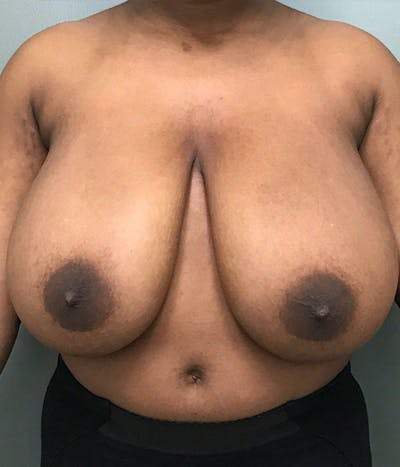
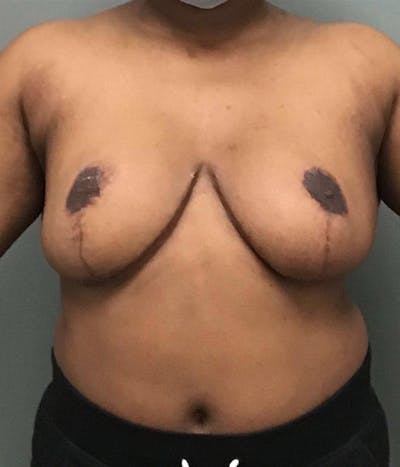
Breast Reduction Before and After Photos
Recovery And Scar Care In Real Life
Most patients describe soreness rather than sharp pain. He prefers multimodal pain management that limits narcotics and supports muscle comfort. Gentle walking begins right away. Arms stay close to the body for the first weeks. Desk work is often possible within a short period, while lifting and strenuous exercise wait until the tissues have had time to heal as instructed.
Swelling and shape evolve over months. The breast rides a little high at first, then softens and settles. Scars start red, then fade toward pink and then paler tones with time. Dr. Michael Baumholtz teaches scar care that is simple and structured. He recommends massage, sun protection, and medical-grade silicone products once the incisions are closed. For patients who want to push scar optimization further, he offers microneedling at appropriate intervals. He frames scars as the necessary trade for relief and a better shape and works to make them as discreet as each body allows.
Movement, Fitness, And Lifestyle After Surgery
When heavy breasts are no longer dictating choices, activity usually goes up. That is the point. Many patients return to walking and low-impact cardio first, then build toward running, strength training, yoga, and sports as cleared. In follow-up visits, Dr. Michael Baumholtz individualizes timelines. He would rather add activity in safe steps than race ahead and risk setbacks. Long-term satisfaction remains high when recovery is respected and goals remain realistic.
Breastfeeding And Sensation: Setting Realistic Expectations
The relationship between breast reduction and later breastfeeding is nuanced. Breastfeeding after reduction is possible for many women, but success varies and depends on technique, anatomy, and life circumstances. Some patients may make a partial milk supply and need to supplement. A small group will not be able to breastfeed. Dr. Michael Baumholtz talks through this before surgery, especially with younger women who plan pregnancies. He tailors technique to protect blood flow and nerve pathways whenever safe, but he is direct about the uncertainties so choices are well-informed.
Changes in nipple sensation can occur. Most patients keep useful sensation, but a subset will notice reduced or altered feeling. This is influenced by anatomy, resection size, and healing biology. He designs the operation to protect the nerve pathways as a priority and explains the trade-offs in clear terms.
Asymmetry And Shape
Perfect symmetry is not natural. Breasts are siblings, not twins. Dr. Michael Baumholtz sets the bar at balanced, proportional, and appropriate for the chest. He uses careful measurements and intraoperative checks to address left-right differences during surgery. If a patient arrives with a significant asymmetry, he may remove different amounts of tissue per side. He explains that small differences can persist and are normal. He also notes that weight changes, pregnancy, and time can alter shape later. Follow-up and long-term access are part of his practice culture, so patients know they can come back for re-evaluation if their bodies change.
Non-Surgical Efforts And When They Help
Supportive bras, posture work, and physical therapy can help manage symptoms but do not change the underlying weight on the chest. Weight loss can modestly reduce breast size for some women, especially when breasts are fat-predominant. For others, glandular tissue and skin excess keep the problem in place. Dr. Michael Baumholtz supports smart non-surgical efforts and often uses them as part of a pre-surgery optimization plan. If they do not deliver meaningful relief, he is clear that surgery is the definitive solution.
Special Considerations For Adolescents And Young Adults
For teens with severe symptoms, the burden is not just physical. It can be social and academic. Studies show real and durable benefits after reduction in adolescents, with improved physical function and well-being. Timing is individualized. Dr. Michael Baumholtz evaluates breast growth trends, emotional maturity, and goals. He invites parents into the discussion while centering the young patient’s voice. In San Antonio, he sees many active students who want to return to sports, band, or cheer without constant pain. He plans surgery and recovery around those calendars when possible.
Weight, Health, And Safety
Safety comes first. Elevated BMI, nicotine exposure, and certain medical conditions increase risk for wound problems and delayed healing. Large reviews and meta-analyses confirm these patterns. Dr. Michael Baumholtz will ask patients to stop nicotine and vape products well before surgery and will discuss weight optimization when it can materially improve healing and contour. He also coordinates with primary care physicians or specialists when needed. The goal is not a perfect number. It is safer surgery and smoother recovery.
When A Lift, Liposuction, Or Fine-Tuning Is Added
Some patients benefit from combining reduction with targeted liposuction along the side chest or bra line to improve transition and contour. Others may not need a large tissue removal but do need a lift to correct position and shape. In select cases with thin tissues or a need for early support, Dr. Michael Baumholtz may recommend an absorbable mesh as an internal sling. He uses this selectively when it can reduce risks of bottoming out or shape drift, particularly in thin patients or complex revisions. He explains the rationale, the material, and how it supports early healing.
Realistic Timelines And Follow-Up
Healing is a process, not a switch. Early improvements in comfort often show up fast. Shape settles over months. Scars mature over a year or more. Dr. Michael Baumholtz schedules follow-ups to match this arc. He remains accessible and encourages questions. Patients who live far from San Antonio can use the practice’s virtual tools for check-ins after the initial in-person visits. Long-term follow-up is a signature of his practice.
Financial Planning, Insurance, And Access In San Antonio
Many people hope their health insurance will cover a breast reduction. In his private practice, Dr. Michael Baumholtz does not take insurance and does not submit claims. His team is transparent about fees and can discuss third-party financing so patients can plan responsibly. They can provide basic medical documentation for personal records upon request. He will never push a procedure. He wants every patient to feel informed and comfortable with both the plan and the pace.
Candid Notes On Risks And Complications
Every operation carries risk. Common issues include delayed healing at incision points, small fluid collections, infection, and scars that require more attention. Larger tissue removals, medical comorbidities, and nicotine exposure raise risk. Careful planning and meticulous technique reduce complications, but they cannot eliminate them. Dr. Michael Baumholtz addresses concerns early, communicates clearly, and intervenes when needed. He also emphasizes that while many patients experience symptom improvement, no surgeon can guarantee that neck, shoulder, or back pain will fully resolve, because those symptoms can come from multiple sources.
Who Is A Good Candidate In San Antonio
Good candidates are women whose breast size causes physical symptoms, limits activity, or creates ongoing skin problems. They are in reasonable health. They have stable weight or a plan to reach it. They understand scars are part of the solution and are ready to trade scars for relief and function. They value a straightforward conversation about what is possible and what is not. They appreciate a surgeon who will be there after surgery, not just on the day of surgery. That is the rhythm of care at Baumholtz Plastic Surgery.
The Consultation Experience With Dr. Michael Baumholtz
Expect a focused, unhurried conversation. He will ask about symptoms, activity limits, and goals. He will measure, examine posture, assess the footprint of the breast on the chest wall, and look for asymmetry. He will talk through incision patterns and where scars would lie in your case. He will describe expected changes in shape and how the breast will settle over time. He will review scar care, activity limits, and return-to-work planning. He will also review safety topics in clear language, including the steps he takes in the operating room to protect blood supply and minimize contamination. His patients often comment on how direct and practical these conversations feel. That is intentional.
A note on sizing and symptoms: he does not promise a cup size, and he does not promise that symptoms will resolve, because back and neck pain have many causes.
A Word On Technique And Philosophy
While every reduction is customized, certain principles guide his decisions. He believes good planning and gentle execution beat aggressive tightening. He respects the inframammary fold and the blood supply patterns that keep the nipple-areola complex healthy. He chooses techniques that he can revise through the same scar pattern if a touch-up is ever needed. He is conservative with drains. He prefers layered closure and structured scar care. He does not promise perfection. He promises clear communication and his best work, every time.
Life After Heavy Breasts
Patients often describe lightness first. They notice it walking up stairs or getting dressed. Then they rediscover movement. Exercise feels more natural. Neck and shoulder relief can be significant. Sleep improves. Clothing fits in new ways. Many women talk about feeling more present in their bodies. These changes are not trivial. They are why reduction mammaplasty continues to show strong satisfaction and quality-of-life data across large studies and long follow-up, recognizing again that no operation can guarantee full relief of pain that may have multiple causes.
Ready To Talk With Dr. Michael Baumholtz In San Antonio
If heavy breasts have been writing the rules of your life, there is a proven path forward. Dr. Michael Baumholtz, Plastic Surgeon in San Antonio, is ready to help you build a plan that matches your goals and your anatomy. Call 210-660-5579 or message info@bplasticsurgery.com to schedule a consultation at Baumholtz Plastic Surgery in San Antonio, TX. He will meet you where you are and help you decide what makes sense for your body and your life.
FAQs About Solutions For Heavy Breasts
Can a breast reduction help the deep shoulder grooves and constant bra strap pain I have in San Antonio’s humid climate?
Often, yes. When weight is removed and the breast is lifted, strap pressure usually drops and chronic grooves soften over time. The humid Texas weather can aggravate rashes and strap irritation, so patients in San Antonio tend to notice early relief once moisture and friction are reduced. Dr. Michael Baumholtz also guides scar and skin care to keep the area healthy in the heat. He reminds patients that symptom relief varies and cannot be guaranteed.
I am an active runner in Boerne and Alamo Heights. How soon could I get back to outdoor training after a reduction with Dr. Baumholtz?
Most runners return in careful stages. Walking comes first. Light cardio follows as the incisions heal and swelling settles. Impact running waits until you are cleared at follow-up, then ramps gradually. Dr. Michael Baumholtz sets timelines based on healing, not the calendar.
My teen daughter plays volleyball and has painful rashes beneath her breasts. Is adolescent reduction reasonable in San Antonio?
It can be, when symptoms are significant. Evidence shows adolescents can experience meaningful improvements in function and well-being after reduction. Dr. Michael Baumholtz evaluates maturity, growth trends, and school or sports schedules, and includes parents in a clear, age-appropriate discussion. Timing is individualized to support safety and her goals.
I hope to have children later. How does Dr. Baumholtz counsel patients about breastfeeding after reduction?
He is candid. Many women can breastfeed after reduction, but success varies and depends on anatomy and technique. Some make a partial supply and supplement, and a smaller group cannot breastfeed. He works to protect blood flow and nerves when safe and reviews all trade-offs before surgery so the choice is informed.
I split time between downtown San Antonio and New Braunfels. How does follow-up work if I cannot always come to the office?
The practice builds a thoughtful follow-up plan that starts in person and then uses secure virtual tools for check-ins when appropriate. Dr. Michael Baumholtz believes that access and communication are part of safety.
I have a higher BMI and do not smoke. Will Dr. Baumholtz still consider me for reduction?
Possibly. Elevated BMI can increase wound risks, so he will review your health, set realistic goals, and recommend steps to optimize safety. If he believes surgery can be done responsibly, he will plan with those factors in mind and explain how decisions on technique and recovery support your outcome.
Does Dr. Baumholtz take insurance for breast reduction in San Antonio?
No. His private practice does not take insurance and does not submit claims. Many patients ask about insurance coverage. His team provides clear fee information and discusses financing options so you can plan responsibly.
Medical References
- Breast reduction surgery - Mayo Clinic - https://www.mayoclinic.org/tests-procedures/breast-reduction-surgery/about/pac-20385246
- Breast reduction surgery - Care at Mayo Clinic - https://www.mayoclinic.org/tests-procedures/breast-reduction-surgery/care-at-mayo-clinic/pcc-20385248
- Breast reduction surgery - Doctors & Departments - Mayo Clinic - https://www.mayoclinic.org/tests-procedures/breast-reduction-surgery/doctors-departments/pdc-20385247
- Breast Reduction - Mayo Clinic Health System Eau Claire - https://sncs-prod-external.mayo.edu/locations/eau-claire/services-and-treatments/plastic-and-reconstructive-surgery/breast-services/breast-reduction
- Breast surgery services - La Crosse - Mayo Clinic Health System - https://www.mayoclinichealthsystem.org/locations/la-crosse/services-and-treatments/plastic-and-reconstructive-surgery/breast-surgery
- Breast Reduction Surgery Clinical Trials - Mayo Clinic Research - https://www.mayo.edu/research/clinical-trials/tests-procedures/breast-reduction-surgery
Next Steps
If heavy breasts are limiting daily life, Dr. Michael Baumholtz in San Antonio is ready to help map a safe, realistic plan. Contact Baumholtz Plastic Surgery to schedule a focused consultation and discuss whether breast reduction or related options make sense for your goals and your body. Call 210-660-5579 or email info@bplasticsurgery.com.