
A Spiral Thigh Lift is a powerful operation for patients who live with loose inner thigh skin, sagging tissue around the outer thigh, and lower body changes after weight loss or aging. The procedure treats the thigh in a near 360 degree path and it includes an upper buttock lifting component. Because of that design, recovery follows a few specific rules. Those rules keep the lift supported, keep the incisions protected, and help the final contour settle smoothly and predictably.
This guide explains what recovery looks like from the first day through the later months. It walks through how to stand, walk, sleep, shower, and return to normal routines without pulling on the repair. It is written in clear, simple language and mirrors how Dr. Michael Baumholtz teaches his patients in the office. For this area he does not use body imaging tools. Planning is based on careful examination, measurements, and standardized photos.
What a Spiral Thigh Lift Is and Why Recovery Matters
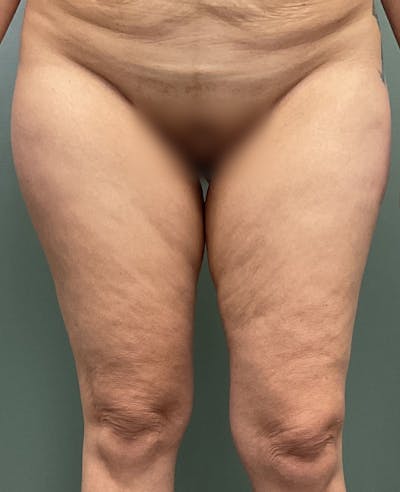
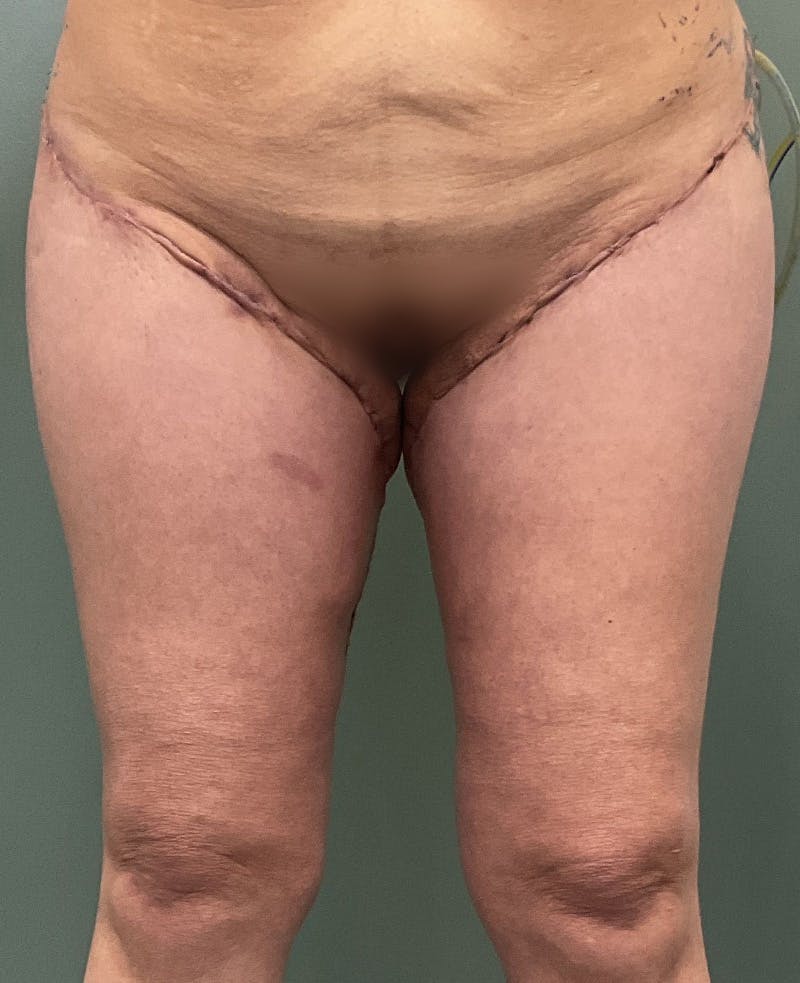
A Spiral Thigh Lift is not just an inner thigh lift. It is a circumferential lifting procedure that addresses the thigh from multiple sides and also lifts the upper buttock. The incision pattern starts near one inner knee, travels up the inner thigh, curves across the lower buttock to tighten the upper buttock area, and continues down the opposite inner thigh toward the other knee. The incision travels in a spiral path from one leg to the other. Because of this path, positioning after surgery matters a great deal. The early recovery goal is simple. Protect the lift from pressure and protect the incision from tension.
Video: Inner Thigh Lift
/p>
The Core Recovery Rules
Dr. Baumholtz gives every Spiral Thigh Lift patient the same set of rules. These rules are clear and direct.
Rule 1: Stand or stay upright in any position that does not put pressure on the incisions.
Standing is the safest default. A supported forward lean while standing is acceptable if it avoids bending the trunk. Kitchen counters and sturdy furniture can help you lean without curling your body.
Rule 2: Avoid trunk flexion.
Bending at the waist pulls on the posterior buttock lift portion of the incision. No bending. No hunching. No curling forward. Think tall and straight when you move around the home.
Rule 3: Sitting is only for absolute necessity.
Sitting places direct pressure on the buttock lift incision. That pressure can create wound problems. If you must sit, make the session brief, choose a padded surface, and return to standing as soon as the essential task is done.
Rule 4: Sleep on your belly for at least three to four weeks.
Belly sleeping protects the incision from pressure and prevents separation. A comfortable pillow under the chest and a smaller pillow under the shins can make this more comfortable.
Rule 5: No garments until drains are out.
A compression garment used too early can trap swelling or push against fresh incisions. Wait until drains are removed and then follow a garment schedule that Dr. Baumholtz provides.
Rule 6: Move in short, straight line walks.
Avoid wide steps, thigh spreading, deep lunges, yoga positions with long stretches, and squats. Keep movements controlled and narrow so the spiral incision does not feel a pull.
These rules create predictable healing and better odds of a smooth final result.
Why These Rules Work
✓ Pressure harms the lift.
Sitting or leaning back too soon can cause wound separation, widened scars, delayed healing, and flattening or distortion of the buttock lift. The posterior portion of the incision is especially vulnerable when pressure is applied early. Removing pressure gives the skin edges a better chance to seal and mature in a clean line.
✓ Tension disrupts a spiral incision.
A spiral incision crosses several zones of movement. Trunk flexion pulls on multiple segments at once. That pull stretches healing tissue and can create micro separations that slow closure. Avoiding bending protects the entire spiral line and keeps the repair quiet while it seals.
✓ Belly sleeping (sleeping face down) keeps the lift supported.
When you sleep on your stomach, the lift has no direct pressure and very little tension. The buttock lift portion is not pushed against a mattress or chair. This creates an ideal early environment for healing.
✓ Short upright movement improves circulation.
Walking helps reduce clot risk and stiffness without stretching the thigh. Short, frequent walks deliver the benefit of movement without risking a long stride or a deep bend. Movement is medicine when it is done in the right way.
How Dr. Michael Baumholtz Plans Your Recovery
Planning begins long before surgery. Dr. Baumholtz reviews health history, weight stability, nicotine status, daily routines, and support at home. He explains what the spiral incision means for length and garment fit. He outlines movement rules, shower timing, and how to start and stop compression. He sets up a communication plan so patients know how to reach him and his team in the first weeks. His message is simple and consistent. What you want plus what he can safely deliver equals a shared goal. He does not take insurance for these procedures, and he is direct about costs and timelines during consultation.
Your Recovery Timeline in Plain English
Day 0 to 2: Protection and Upright Positioning
Stand or supported stand most of the day with short assisted walks every hour while awake. Sit only when absolutely required and only for moments. Sleep on your stomach only. No bending at the waist. No compression garment yet. Expect swelling and tightness. Keep thighs close together when moving around corners or stepping through doorways. Hydration matters.
Days 3 to 7: Peak Swelling and Gentle Hygiene
Swelling and bruising increase, then start to level off. Continue upright positioning and short straight line walks. Showers are allowed only if you are cleared at the first visit. Keep showers short and lukewarm. Pat dry with a soft towel. A padded toilet seat helps reduce pressure during unavoidable sitting. Some patients choose to toilet in the shower briefly during the earliest days because it avoids bending and reduces pressure on the posterior incision. If you do this, keep the area clean, use gentle soap, rinse well, and be careful with footing. Desk work from home is possible only if you can stand for most tasks and take frequent breaks.
Week 2: More Energy, Still Upright
Standing feels easier. Walking in straight lines increases at a slow pace. Belly sleeping continues. Short rides are possible only if absolutely needed and only if you can stand at intervals. Garment is still off until drains are removed and fit is confirmed.
Weeks 3 and 4: Transition Stage
Swelling starts to soften. Light household tasks return, but avoid bending and avoid wide thigh movements. Belly (face down) sleep continues through week four. Compression garment begins only after drains are out and only after fit is checked in the office. No structured exercise yet. Stick to walking and gentle daily tasks. This is the stage when patients feel better but must still protect the lift. Do not let a good day convince you to test a deep squat or a lunge.
Weeks 5 to 8: Strength, Stability, and Scar Care
Scar care begins once the skin is sealed and calm. Silicone gel or silicone sheets are used on a regular schedule. A thin layer is better than a thick glob. Gentle scar massage starts only when cleared at a visit. Light cardio can begin after clearance. The recumbent bike and easy treadmill work are good options. Upper body and core strength can return sooner than heavy leg work, but this depends on the exam. Lower body loading waits until Dr. Baumholtz confirms stability. Clothing options widen as tenderness fades. Test snug garments at home before long wear to be sure seams do not rub incision intersections. Walking becomes more comfortable and most patients feel normal in day to day life, but the restrictions still matter if you want the best scar and contour.
Three Months and Beyond: Maturing Results
Most daily activities feel normal. The contour looks settled in regular clothing. Scars continue to fade and flatten across many months. Ongoing silicone use and careful sun protection help. If a small contour point needs polish, that discussion happens only after full maturation. Many patients see ongoing subtle improvement between three and six months as swelling fades and collagen remodels.
Pain Control in Plain English
The goal is comfort that allows walking, sleeping, and basic hygiene. The goal is not complete numbness. Most patients do well with scheduled over the counter medicine and a short prescription course if needed. Cool compresses near the incision help when used briefly with a clean fabric barrier. Do not place ice directly on incisions. If pain spikes or stops responding to the plan, the office should hear from you that same day.
Swelling Control That Works
Swelling follows a curve. It rises in the first week and then trends down. When resting, a gentle leg elevation reduces pressure. After drains are out, a well fitted compression garment supports the skin as fluid shifts and helps your thighs feel secure during short walks. Hydration matters.. Even mild dehydration makes swelling feel worse and slows energy.
Compression Garments: Fit and Habits
Start compression only after drains are removed. Fit matters more than tightness. The garment should feel snug and supportive, but not painful or pinching. Breathable fabrics and smooth seams are essential. Garments are sized before surgery and checked again after. Put garments on in sections so fabric stays flat. If creases form, smooth them immediately so they do not mark the skin. Follow the wear schedule exactly. More is not always better. Inconsistent wear undermines progress and can create hot spots on the skin.
Hygiene and Showering
Short, lukewarm showers start only when cleared. Use a mild, fragrance-free soap and rinse gently by hand. Pat dry with a soft towel. Do not soak incisions in a tub, pool, or hot tub. Change into clean, breathable clothing daily to avoid sweat and detergent buildup on healing skin. Sitting, Standing, and Sleeping
Change positions frequently, but stay within the rules. Standing is your primary position. Supported standing is fine and a kitchen counter makes a helpful support. Sitting is only for essential tasks and only for very short periods. Use a padded toilet seat or a cushion to decrease pressure if you must sit. Sleeping is on the stomach only for three to four weeks. This position protects the posterior lift from pressure and limits tension along the spiral incision. If belly sleeping is difficult, experiment with pillow placement under the chest and shins, and keep the head in a neutral position.
Walking, Exercise, and the Gym
Walking starts the day of surgery and continues in short, regular intervals. The pace is easy and the stride is narrow. Light cardio follows only after clearance, often in weeks three to four. Start with low resistance and slow pacing. Strength work returns in phases. Upper body and core can start earlier than heavy leg work. Deep squats, sumo stances, split squats, lunges, and high step ups wait until incisions are strong and scar tissue is soft. If a workout increases swelling or soreness the next day, dial back and give it more time. More is not better if it strains the repair.
Clothing and Fabrics That Help
Choose soft, breathable fabrics with smooth seams. Seamless underwear prevents rubbing at incision intersections. Save tight jeans and structured waistbands for later. Moisture-wicking layers are helpful in high humidity. For work, consider looser trousers or dresses in the first weeks so you can sit for short tasks without pressure and then return to standing quickly. Test new outfits at home before a full day at work or travel.
Nutrition, Hydration, and Weight Stability
Healing is energy intensive. Aim for steady meals with adequate protein, fruits, vegetables, and whole grains. Keep salt modest. Alcohol is avoided early and while taking pain medicine. Supplements are reviewed before surgery to avoid bleeding risk or drug interactions. Stable weight supports stable results. Large swings in weight change how skin rests on the thigh and can affect the final contour. Nicotine is not compatible with wound healing. Dr. Baumholtz does not operate on active nicotine users for elective procedures and he is direct about the need to stop well in advance of surgery.
Scar Care and Sun
When the skin is sealed and calm, silicone is the main support for scar maturation. Use a thin layer of silicone gel or use silicone sheets for the number of hours recommended. Start gentle scar massage only when cleared. Protect scars from the sun. Even under clothing, outdoor heat and sweat can irritate new skin. Use high SPF sunscreen once the skin is sealed, wear light protective clothing, and avoid prolonged outdoor heat in the first months. Good scar care is consistent and simple rather than harsh or aggressive.
Red Flags and When to Call
Call promptly for any of the following. A sudden jump in pain that does not settle with the plan. Fever or chills. Foul drainage. Spreading redness. A gap in the incision. One thigh that looks much larger or firmer than the other. New trouble standing or walking. Any concern that makes you uneasy. Dr. Baumholtz would rather hear from a patient early than manage a larger problem later. His team is set up to triage same day when needed.
Follow Ups With Dr. Michael Baumholtz
Follow up visits are timed to match the phases of healing. Early visits confirm closure and review hygiene and compression. The next visits focus on swelling, walking comfort, and clothing choices. Later visits address scar maturation, activity pacing, and plans for travel or long events. Standardized photos are taken at each stage so progress is visible and decisions about next steps are clear. Access is a point of pride in his practice. Patients know how to contact the office and they use that access when questions come up.
Managing Expectations With Honesty
No recovery is perfectly symmetric. Minor differences in swelling or scar color are common in the early weeks and usually settle with time, consistent compression, and gentle scar care. Spiral patterns can feel tight in certain positions for several weeks. This tightness softens as swelling drops and as scar tissue remodels. Results mature over months, not days. If a specific contour point remains stubborn after full maturation, small adjustments can be discussed. Dr. Baumholtz talks through options in plain English and recommends a change only when it clearly serves safety and a patient’s goals.
Why Patients Choose Dr. Michael Baumholtz
Patients choose Dr. Baumholtz for steady judgment, careful planning, and reliable follow up. He explains tradeoffs clearly, does not promise what he cannot deliver. He is double board certified in General Surgery and Plastic Surgery. He has fellowship training in Hand and Microsurgery and has years of experience in high volume trauma centers. He is known for revision work and is often asked to manage complex cases. He believes in honest communication and long term follow up. He does not take insurance and is upfront about that from the first visit. His goal is a safe operation and a smooth recovery that respects the rules that protect your result.
FAQs About Recovery After a Spiral Thigh Lift
How long before I can sit normally again?
Most patients avoid real sitting for three to four weeks. Sitting too early places pressure on the buttock lift portion of the incision and increases the risk of wound problems.
Why do I have to sleep on my stomach?
Belly sleep removes pressure and tension from the posterior portion of the incision. It protects the lift while it seals.
Will hot weather make recovery harder?
Yes. Heat can increase swelling and irritation. Plan errands early or late, stay well hydrated, and wear breathable clothing. Keep showers short and cool after an outing.
When will I wear a compression garment?
Only after drains are out and only after fit is checked in the office. Starting too soon can trap swelling or rub the incision.
Is it normal to feel tight when walking?
Yes. Tightness comes from swelling and from the lift design. It improves week by week as fluid decreases and soft tissues relax.
Can I go up stairs?
Yes, but do it slowly. Hold the railing. Keep the thighs close and avoid a wide step.
When can I return to the gym?
Light cardio begins after clearance, often around weeks three to four. Lower body training waits until later visits confirm the repair is stable. Even then, progression is slow and controlled.
What if one thigh looks more swollen?
Minor differences are common. Stay consistent with your plan. Large, firm, or painful swelling requires a call to the office.
Why is toileting in the shower mentioned?
In the earliest days it helps some patients avoid bending and pressure on the posterior incision. It can be sanitary and safer when done carefully. If you choose this approach, be cautious with footing and keep the water lukewarm.
When will I see my final result?
Results evolve for three to six months. Swelling fades. Scar tissue softens. The contour continues to refine across that period.
Does a Spiral Thigh Lift treat cellulite?
It improves contour but it is not designed to treat cellulite directly. Some dimples may look softer as the skin is tightened, but cellulite treatment is a different issue.
Do I need help at home?
Yes. Most patients need help with meals, errands, chores, and daily tasks for the first five to seven days. Plan that help before surgery so the early days feel calm and organized.
How does driving work in the first weeks?
Very short rides are possible in week two only if essential and only with standing breaks. Longer commutes wait until swelling softens and sitting tolerance improves. Use a soft cushion and avoid bumpy roads when possible.
What about work that requires a uniform or tight pants?
Plan for looser options in the first four to six weeks. Test fitted clothing at home for a half hour before committing to a full day. If seams leave marks or rub, wait another week and retest.
How do I protect scars in the sun?
Use clothing to cover the area. Once cleared, apply high SPF sunscreen. Keep silicone in your routine and avoid long outdoor sessions in the first months.
Medical References
- The Spiral Lift: A Novel Twist on Body Contouring - PRS Global Open - https://pmc.ncbi.nlm.nih.gov/articles/PMC10320682/
- Helix Thigh Lift. A Novel Approach to Severe Deformities - Journal of Cosmetic and Laser Therapy - https://www.tandfonline.com/doi/full/10.1080/08941939.2021.1912220
- The Treatment of a Surgical Thigh Lift Dehiscence With Negative Pressure Wound Therapy - Annals of Plastic Surgery - https://journals.sagepub.com/doi/pdf/10.1177/07488068251321034?download=true
- Spiral Lift: Medial and Lateral Thigh Lift with Buttock Lift and Autoprosthesis Augmentation - Seminars in Plastic Surgery - https://www.semanticscholar.org/paper/Spiral-Lift:-Medial-and-Lateral-Thigh-Lift-with-and-Sozer-Agullo/ff16fcd784606fc22de635f89
- Two Cases of Lower Body Contouring with a Spiral and Vertical Medial Thigh Lift - Archives of Plastic Surgery - https://www.thieme-connect.de/products/all/doi/10.5999/aps.2012.39.1.67
- Spiral Lift: Medial and Lateral Thigh Lift with Buttock Lift and Autoprosthesis Augmentation - Springer Medicine - https://www.springermedicine.com/spiral-lift-medial-and-lateral-thigh-lift-with-buttock-lift-and-/20761992
Next Steps: Schedule a Private Consultation with Dr. B in San Antonio
If you are considering a Spiral Thigh Lift, a private consultation with Dr. Michael Baumholtz in San Antonio is the best way to understand candidacy, incision planning, and a recovery schedule that fits your life. He will examine skin quality, map tension lines, and design a plan that matches your health and your goals. He prefers to over explain rather than leave a detail unclear. He does not take insurance and he is open and direct about pricing, timelines, and expectations from the start.
Call the practice to speak with the team or request an appointment online. Dr. Michael Baumholtz will review your goals, outline a safe plan, and guide you through a clear recovery pathway that protects your lift and supports a smooth return to daily life.
Further Reading
- Read more about Avéli Cellulite Treatment
- Read more about Body Contouring
- Read more about Brazilian Butt Lift
- Read Dr Baumholtz's Blog on Thigh Lift After Weight Loss In San Antonio, TX
- Read Dr Baumholtz's Blog on What is Ozempic Thigh?
- Read Dr Baumholtz's Blog on What is Body Contouring: Benefits, Risks & Recovery