
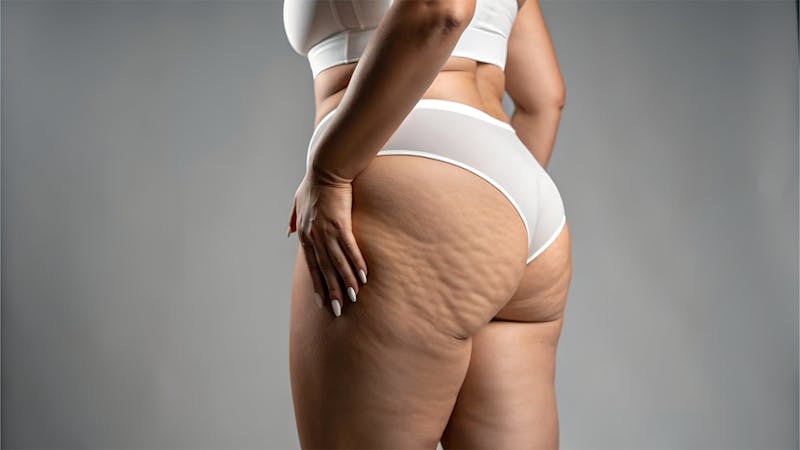
Cellulite on the bottom can be frustrating. Many women maintain a healthy diet and exercise consistently and still see dimples that do not budge. Dr. Michael Baumholtz, a dual board certified plastic and reconstructive surgeon in San Antonio, speaks plainly about why this happens. Cellulite is not a sign of laziness or poor health. It is a structural issue that comes from the relationship among skin, fat, and fibrous connective bands called septa. These bands pull the skin inward while the fat compartments between them push outward. The combination creates a bumpy surface that often looks like an orange peel. Hormonal influences, genetics, and age related changes in collagen all contribute. That is why even competitive athletes can have visible dimples.
Understanding this anatomy is important because it determines what can actually help. Lotions and surface tricks cannot release fibrous bands. Compression and swelling can hide dimples for a few hours, then everything returns. When patients understand the cause, they can choose treatments that match the problem rather than spending time and money on options that never had a chance to succeed.
The first step is a correct diagnosis
Not every irregular area on the bottom is true cellulite. Dr. Baumholtz begins with an exam that separates dimples from other conditions. Correct diagnosis leads to a correct plan.
- True cellulite dimples. These are focal pits created by tight septa. They are small and discrete. They are more visible when the skin is relaxed or when the area is gently pinched. Releasing the tether is the solution for these.
- Skin laxity or sag. This is generalized looseness or crepe. The surface looks folded or wrinkled. Lifting the skin with a fingertip often improves the appearance in the mirror, which is a clue that excess or lax skin is the driver. Laxity needs tightening or removal. Cutting bands without addressing laxity does not solve this problem.
- Volume and contour issues. Deflation after weight loss, a divot from prior liposuction, or a natural depression in the fat layer can look like cellulite even when it is not. These respond to careful fat transfer or contouring. They are not fixed by cutting bands alone.
Dr. Baumholtz examines the patient standing and seated. He maps the pattern of true dimples, evaluates skin quality, and notes any deflation or asymmetry. He does not use VECTRA for body imaging. Photographs and visual mapping guide his plan.
What does not work and what he does not recommend
A strong plan also requires an honest list of what to avoid.
- Topical creams and over the counter lotions. Products that include caffeine, retinol, or herbal compounds are widely marketed. They can temporarily change skin hydration and make the surface feel tighter for a short time. They do not penetrate deep enough to release fibrous bands or rebuild supportive collagen in a predictable way. Dr. Baumholtz does not present topical creams as an effective cellulite treatment.
- Cupping and aggressive massage. These methods can cause swelling that briefly masks dimples. They can also leave bruising and discomfort. They do not sever the tethering bands and do not change the underlying structure. Dr. Baumholtz does not recommend cupping for cellulite on the bottom.
- One size fits all device plans. Energy devices can have a role, which is discussed below, but they do not replace a careful diagnosis. Using heat or ultrasound for true dimples without releasing the bands rarely meets patient goals.
Video: Cellulite Reduction in San Antonio with Aveli - Dr Baumholtz
What may help as a supporting option
Energy based devices that use radiofrequency, laser, or ultrasound can modestly improve texture in mild cases or in areas where skin quality is the main concern. These treatments heat tissue to stimulate collagen and create a small tightening effect. They usually require a series of visits and periodic maintenance. Dr. Baumholtz presents them as adjuncts. They can be helpful for mild crepe or as part of a broader plan, but they do not cut fibrous bands and should not be promoted as a primary treatment for true dimples.
Procedures that target the cause
✓ Subcision for true dimples
Subcision is the most direct way to treat true cellulite dimples on the bottom. During subcision, Dr. Baumholtz releases the tight septa that tether the skin. He may use a manual subcision technique or a controlled device such as Avéli. The goal is to free the skin so it can settle without the downward pull. This is performed in the office with local anesthesia in most cases. Patients should expect bruising, swelling, and tenderness for a period of days to weeks. Most routine activities resume quickly, although heavy workouts are delayed as directed.
Results begin to show as early swelling fades. Improvement continues as the tissues soften. Many patients need a single session, but the plan depends on how many dimples are present and how the tissue responds. Subcision is a structural fix for a structural problem. It sets realistic expectations. The goal is fewer and softer dimples, not perfectly smooth skin in all lighting and positions.
✓ Fat transfer for volume or shape
When contour or deflation contributes to the orange peel look, fat transfer can be added. Fat is gently harvested from a donor area such as the abdomen or flanks, then processed and injected to soften transitions or fill a depression. Fat transfer is often paired with subcision when a dimple is both tethered and hollowed. Dr. Baumholtz plans fat placement conservatively to maintain a natural look. Some of the transferred fat will not persist. Final shape settles over several months. Fat transfer does not replace band release. It addresses a different component of the problem.
✓ Liposuction as a supporting tool
Liposuction is not a cellulite treatment. It can, however, balance proportions around the treated area. In a patient with full lateral thigh or flank adiposity, selective liposuction can enhance the overall silhouette so the bottom looks more proportional. Dr. Baumholtz uses liposuction strategically and conservatively when it makes sense. He avoids creating new contour issues by respecting the support system of the skin.
✓ Skin laxity solutions
When sag is a key driver, the plan shifts. Mild laxity may benefit from selected tightening treatments, with modest expectations. Moderate or significant laxity often requires surgical removal of excess skin to create a smoother drape. On the bottom and posterior thigh, the options depend on the pattern of laxity, scar tolerance, and clothing preferences. Dr. Baumholtz reviews these tradeoffs in detail so patients understand the likely benefits and the visible costs of incisions.
How he builds the plan
A plan that works is personal and focused. Dr. Baumholtz follows a stepwise approach.
- Identify the components. He lists the number and location of true dimples, checks for generalized laxity, and marks any volume loss or contour problems.
- Match tools to problems. Subcision for dimples, volume restoration for deflation, tightening or excision for laxity. If a device will add a small benefit, that is stated clearly and not oversold.
- Discuss downtime and lifestyle. Many San Antonio patients have active schedules, warm weather clothing, and pool season for much of the year. Plans can be timed to work around these realities.
- Set expectations. He explains the expected improvement with percentages and plain language. He does not guarantee outcomes. He reviews risks and alternatives. All procedures carry risk and require a face to face consultation with a qualified plastic surgeon.
- Provide aftercare support. Clear instructions, early check ins, and direct access for questions reduce stress and help patients recover smoothly. Dr. Baumholtz emphasizes follow up. He and his team remain available.
What recovery looks like
Recovery depends on the combination of procedures. After subcision, bruising and soreness are common. Light walking is encouraged. Compression garments may be recommended for a period of time. Sitting on very hard surfaces can be uncomfortable for a short time. Patients typically return to desk work and routine activities within a few days. Heavy lifting and high impact exercise are delayed as instructed. If fat transfer is added, swelling is expected in both the donor and recipient areas. Avoiding pressure on the grafted zones is important in the early period. If liposuction is included, additional compression and activity limits apply. Skin tightening or excisional procedures have their own protocols that are reviewed in detail before the procedure.
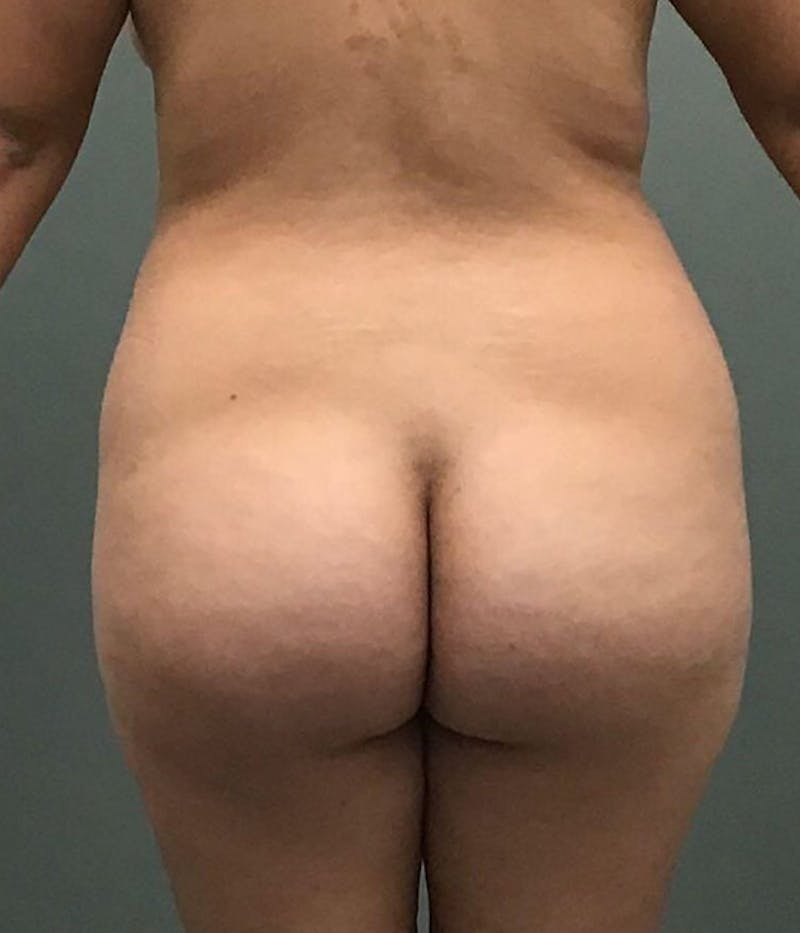
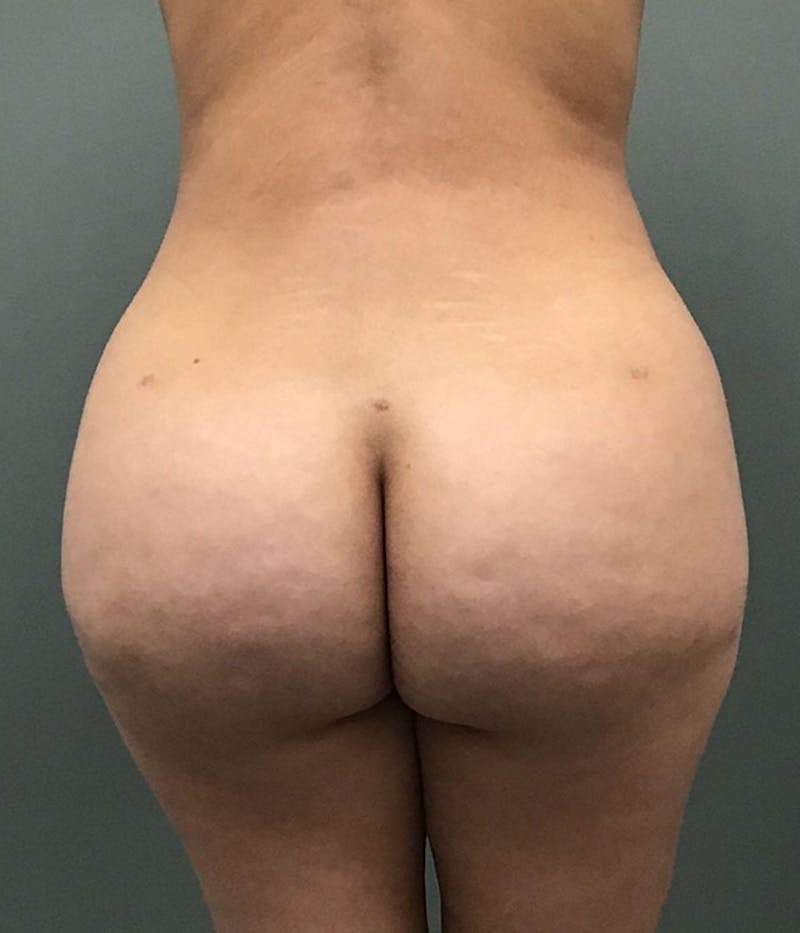
Brazilian Butt Lift Before and After Photos
What results to expect
No treatment can erase cellulite completely. The realistic goal is a visible reduction in the number and depth of dimples and a smoother contour in typical lighting and common positions. Subcision often produces a significant change in targeted dimples. Fat transfer can blend transitions and soften divots. Liposuction can streamline nearby fullness to improve harmony. When skin laxity is properly addressed, the overall drape improves. Aging, weight shifts, and skin biology continue over time, which means touch ups or maintenance can be appropriate later. Dr. Baumholtz explains this at the start so patients understand the arc of change, not just the first few weeks.
How this differs from spa menus and internet advice
A lot of advice online promotes a single cream or a single device as a cure. That message is attractive and often not accurate. Dr. Baumholtz teaches that cellulite is a problem with different components. A tool that helps one component can fail another. Cutting a band does not fix sagging skin. Heating lax skin does not release tethers. Filling a divot without releasing the band can push tissue up around the tether and create a shelf. When the plan matches the problem, outcomes are better and disappointment is less likely.
Safety and candidacy
Candidacy is determined during an in person exam. Medical history, medications, smoking and nicotine exposure, and prior procedures all matter. Patients must be able to follow activity limits and aftercare instructions. Those who plan major weight change should address that first. Proper timing can protect results. Dr. Baumholtz follows safety principles used in both reconstructive and aesthetic surgery. He explains how each step reduces risk, and he addresses questions clearly. He does not take insurance and he does not promote add ons that do not serve the plan.
The San Antonio context
San Antonio patients often spend time outdoors. Heat, sun exposure, and poolside seating are part of local life. Sun protection helps preserve skin quality. Hydration supports overall skin comfort, although it does not erase dimples. Warm weather clothing can make swelling more noticeable in the early recovery period, so scheduling can be planned around social events or vacations. Many patients prefer office based procedures under local anesthesia to minimize disruption to work and family routines. Dr. Baumholtz offers that whenever it is appropriate.
Putting it together
Dr. Baumholtz keeps the message simple. Correct diagnosis leads to the correct tool. True dimples require subcision. Lax skin requires tightening or removal. Volume issues require volume restoration. Devices can support mild texture concerns but do not replace structural treatments. The plan is personal, the risks are reviewed, and the goals are realistic. When patients understand these principles, they make better choices and feel more confident during recovery.
FAQs About Cellulite On The Bottom In San Antonio
I live in San Antonio where the weather is hot most of the year. When is the best time to schedule subcision if I want to be by the pool?
Most patients choose late fall or winter so bruising and compression are easier to hide under clothing. If you want a spring or summer pool season, plan treatment several months ahead. Sun protection matters during recovery to limit discoloration. Dr. Baumholtz can help you time the procedure around travel and events.
Can I get subcision and still return to my downtown office job quickly, given parking and walking in the heat?
Most office workers return within a few days. Expect some soreness with longer walks or stairs. Wear comfortable clothing, allow extra time for your commute, and drink fluids for comfort. Heavy workouts and lifting are delayed as instructed. Dr. Baumholtz provides a clear timeline so you can coordinate with your employer.
I lost weight through a local fitness program and my bottom looks more deflated. Is subcision still the right move?
Only if true dimples are present. Weight loss can reveal deflation and mild sag that mimic cellulite. In that setting, Dr. Baumholtz often pairs targeted subcision with fat transfer to refill hollows. If laxity is significant, a tightening or excisional option may be discussed. The in person exam separates these issues so the plan fits your anatomy.
Do over the counter creams from big box stores help if I am not ready for a procedure?
They do not treat the cause. Some products make skin feel smoother for a short time by changing surface hydration, but they do not release fibrous bands. Dr. Baumholtz suggests saving your budget for options with structural effect. While you plan, focus on sun protection, stable weight, and basic skin care.
Is cupping at a local spa a safe alternative before I see a surgeon?
Cupping is not recommended for cellulite on the bottom. It can cause bruising and swelling without addressing the tethering bands. Any smoothing is temporary. If you are considering cupping only for cellulite, Dr. Baumholtz advises skipping it and booking a consultation to build a diagnosis based plan.
I have a beach trip to the Texas coast in six weeks. Can I combine subcision with fat transfer and still feel comfortable by then?
Comfort is likely, but visible bruising and swelling can vary. Subcision alone often settles faster than combined treatment. If a beach deadline is fixed, Dr. Baumholtz may stage care, such as subcision first and fat transfer later. No specific result can be guaranteed on a set date, which is why planning is part of the consult.
Are results from subcision permanent, or will heat, workouts on the River Walk, and time undo everything?
Released bands generally remain released. Aging continues, and weight changes or significant sun exposure can affect skin over time. Exercise supports overall health but does not recreate the bands. Some patients choose future maintenance for skin quality. Dr. Baumholtz reviews long term expectations so you know what is likely to last and what may evolve.
Medical References
- Cellulite - Symptoms and Causes - Mayo Clinic - gov. https://www.mayoclinic.org/diseases-conditions/cellulite/symptoms-causes/syc-20354945 This article from Mayo Clinic provides a comprehensive overview of cellulite, describing its appearance as dimpled or "orange peel" skin, common locations such as the thighs and buttocks, causes including fibrous connective cords and fat cells, and risk factors like gender and aging.
- Cellulite: Current Understanding and Treatment - National Center for Biotechnology Information (NCBI) - gov. https://pmc.ncbi.nlm.nih.gov/articles/PMC10324940/ This 2023 review article discusses the pathophysiology of cellulite, its psychosocial impact, and current treatment options including minimally invasive therapies such as collagenase injections, with an emphasis on evidence-based approaches and challenges in treatment.
- Review of the Mechanisms and Effects of Noninvasive Body Contouring on Cellulite - NCBI - gov. https://pmc.ncbi.nlm.nih.gov/articles/PMC5236497/ This 2016 review examines noninvasive treatments for cellulite and subcutaneous fat, discussing clinical outcomes, safety, and patient satisfaction with modalities like cryolipolysis and radiofrequency, and highlights the complexity of cellulite compared to general fat accumulation.
- New Zealand Medical Journal - Original Articles on Dermatologic Conditions - New Zealand Medical Journal - gov. https://nzmj.org.nz/media/pages/journal/vol-118-no-1215/676b912e74-1696470505/vol-118-no-1215.pdf This journal issue includes peer-reviewed original research articles relevant to dermatologic conditions, which may include studies on cellulite or related skin disorders, providing data from a government-affiliated medical publication.
- Use of Waste from the Food Industry and Applications of the Sustainable Cosmetic Emulsions - MDPI - edu. https://www.mdpi.com/2071-1050/16/7/2757 This article discusses sustainable cosmetic formulations, which may include ingredients or methods relevant to topical treatments for cellulite, published by an academic open-access journal.
The practical next step
If you are considering treatment for the orange peel look on the bottom, start with a focused consultation. Dr. Baumholtz will separate true dimples from laxity and volume issues, then outline a plan that matches each component. He explains benefits, risks, recovery, and alternatives in clear terms. He does not use VECTRA for body imaging, he does not take insurance, and he keeps the process patient first and safety focused. The goal is meaningful improvement that fits your anatomy and your life in San Antonio. When diagnosis and treatment match, patients typically see real change and feel more comfortable in the clothing they choose for work, exercise, and warm weather months.
Further Reading
- Read more about Body Contouring
- Read Dr Baumholtz's Blog on Dimpled Backside – Is There Anything I Can Do for This Hail Damage?
- Read Dr Baumholtz's Brazilian Butt Lift in San Antonio Procedure Page
- Read Dr Baumholtz's Blog on Are There Any Potential Brazilian Butt Lift Risks? Here’s What You Need to Know