
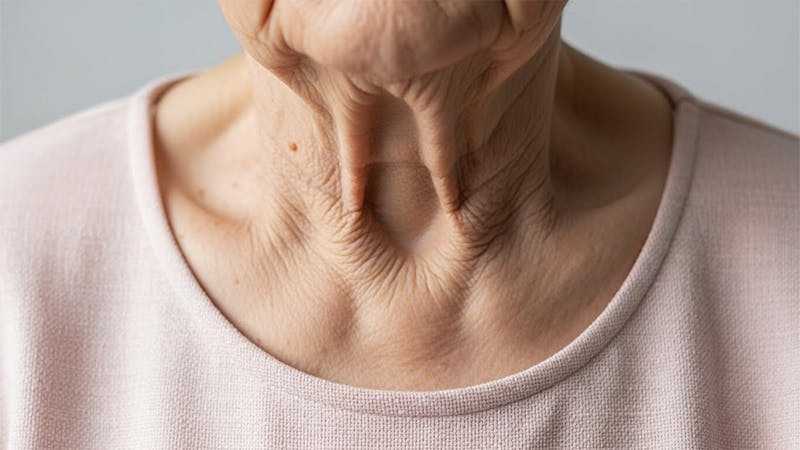
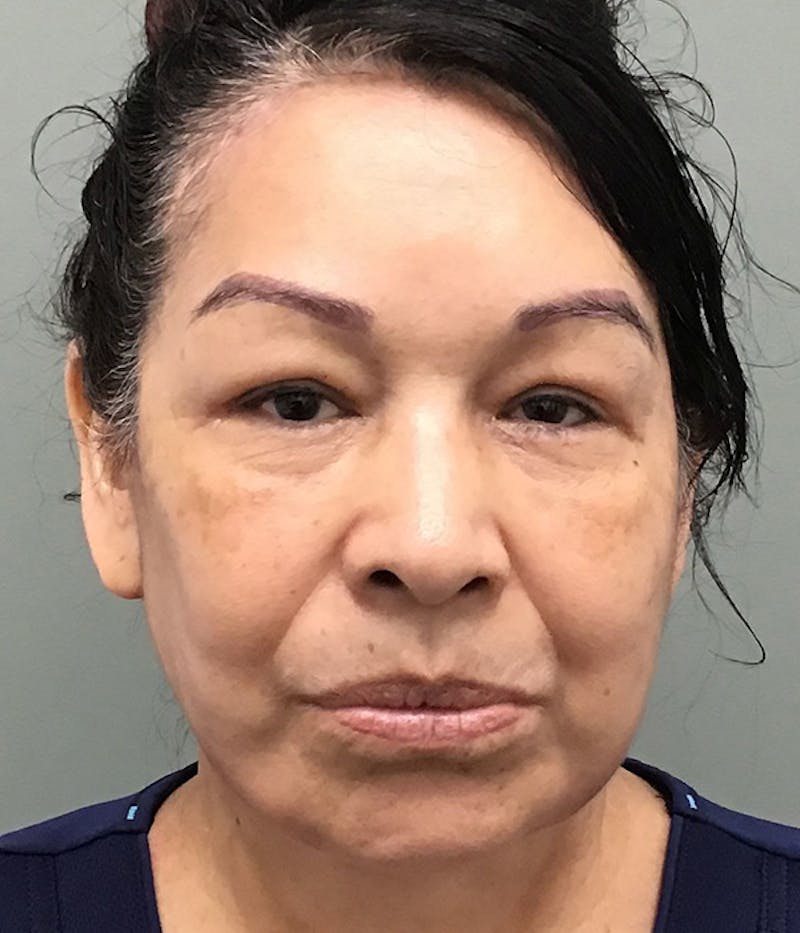
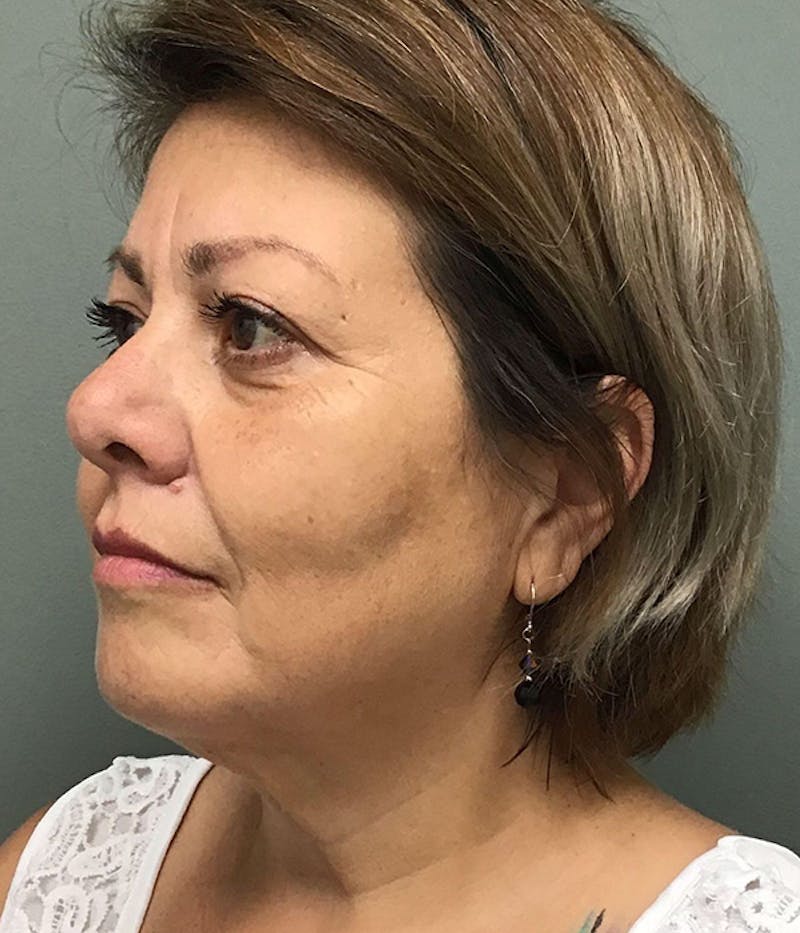
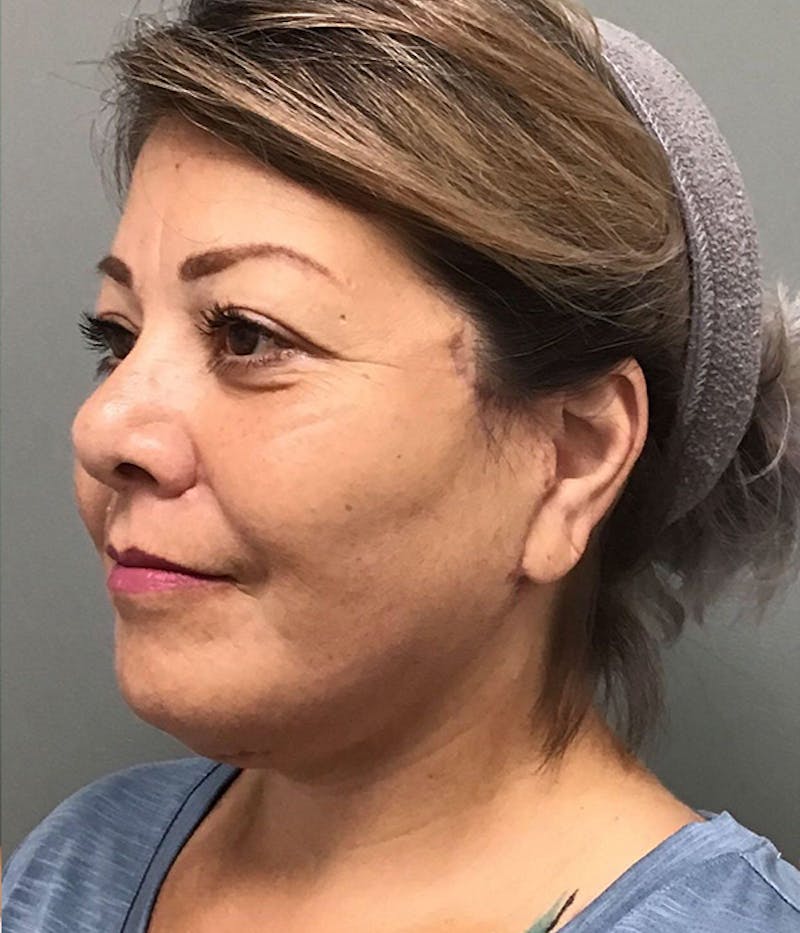
"Turkey neck" affects women and men. It describes loose or crepey skin under the chin, vertical platysma bands, and sometimes extra fullness that blunts the jawline. Many people feel that their neck looks older than their face and find themselves avoiding photos or certain necklines.
Plastic Surgeon Dr. Michael Baumholtz sees this concern every week in his San Antonio practice. His approach is consistent. He offers clear education, a safe and individualized plan, and results that look like you, not done. He is candid about options.
True laxity and visible banding are surgical problems. Non-surgical treatments rarely correct a real turkey neck and can create more problems for later surgery. Kybella should never be used for this problem in his practice.
Video: Managing The Full Chin And Neck
Why a Turkey Neck Happens
Aging of the neck is multifactorial. Several layers contribute to the look that patients call a turkey neck.
- Skin quality. Neck skin is thin and shows collagen and elastin loss early. Sun exposure, time, and changes in weight all affect how quickly this becomes noticeable.
- Platysma muscle. This broad, vertical muscle can loosen and separate over time. The result can be vertical bands that stand out when talking, smiling, or flexing the neck.
- Fat distribution. Under chin and jawline fat can soften definition. Some patients have a hereditary pattern with fullness under the chin that persists despite fitness and a healthy weight.
- Skeletal support. A small or retrusive chin and a short jaw can make neck laxity appear worse because there is less bony support for the soft tissues.
- Lifestyle and genetics. Sun, smoking, nicotine of any kind, weight cycling, and family traits all play a role.
These factors can appear alone or together. The pattern matters because treatment has to address the real cause, not just the surface appearance.
Ready for Surgery? Take Dr Baumholtz Surgery Quiz
Non Surgical Options: Where They Fit and Where They Do Not
Dr. Baumholtz supports conservative and honest use of injectables and devices. He does not oversell them for neck laxity. Non-surgical treatments may soften very early changes but they do not correct true laxity or significant banding. They can also complicate future surgery.
- Neuromodulators such as Botox or Dysport. These can soften early platysma activity for a few months. They are best for mild banding in patients who do not yet need surgery. They do not tighten skin and they do not reposition tissue.
- Filler along the jawline. Small amounts of filler can camouflage a contour dip or a sharp transition in limited areas. Filler does not tighten skin, does not remove fat, and does not fix bands.
- Energy devices such as radiofrequency or ultrasound. These devices sometimes provide subtle and temporary tightening. They will not remove significant loose skin. They do not correct a separated platysma. In some patients they can change the tissue planes by causing scarring, which may make later surgery more complex.
- Threads. Thread lifts often generate internal scar tissue in unpredictable patterns. Those scars can make future surgery more difficult because the surgeon must work through tougher, less flexible tissue.
- Deoxycholic acid such as Kybella. Dr. Baumholtz never recommends Kybella for turkey neck. It does not address loose skin or muscle bands and may increase inflammation and fibrosis. That reaction can hinder a predictable and safe surgical correction later.
Bottom line. If you have meaningful loose skin and visible bands, surgery is usually the reliable path. Treating the structures that cause the problem works better than trying to camouflage them.
Why Surgery Is Often the Best Answer
Surgery treats the layers that create the look of a turkey neck. Skin, muscle, and fat are addressed in a controlled way. Surgery can restore the cervicomental angle, smooth bands, and refine the jawline. The goal is a natural result that looks age appropriate. It should not look pulled or artificial.
There is no single operation for every neck. Multiple effective options exist. The right choice depends on anatomy, goals, tolerance for scars, health, and downtime. Some choices differ for men and women. For example, a direct neck lift can be an excellent option for many male patients because beard growth can help camouflage a midline scar. Most women prefer approaches that hide incisions around the ears and under the chin.
Surgical Options for Women and Men
Dr. Baumholtz is dual board certified in General Surgery and Plastic Surgery and has fellowship training in Hand and Microsurgery. He plans each procedure around your anatomy, goals, health, and preferences.
1) Submental Liposuction with or without Limited Midline Platysmaplasty
- Best for patients with good skin and excess fat under the chin. A small incision is placed in the natural crease under the chin. Through that opening, fat is removed in a controlled way. If there is mild central banding, the platysma can be tightened through the same incision.
- What it can achieve. Improved definition in the under chin area and a cleaner transition from face to neck. Early bands can be softened if a limited central platysmaplasty is added.
- Limits. This approach does not correct significant loose skin or widespread banding. If there is a lot of laxity or heavier bands, a neck lift provides a more predictable result.
2) Neck Lift, also called Cervicoplasty with Platysmaplasty
- Incisions are placed around the ears and a short incision under the chin. The platysma muscle is tightened and reapproximated. Fat is repositioned or removed. Extra skin is redraped and tailored to fit in a natural way.
- Why it is a workhorse. This operation addresses skin, muscle, and fat together. It can be customized to the degree of laxity and the pattern of banding. For a true turkey neck this is often the most predictable and durable option.
- Candidates. Women and men with visible laxity and banding who are comfortable with scars that are carefully hidden around the ears and beneath the chin.
3) Lower Face and Neck Lift, with Deep Plane Techniques when indicated
- Who benefits. Patients who also have jowling or lower face descent often benefit when the face and neck are treated together. A deep plane approach can improve the foundation of support without a pulled look.
- What is different. Deep plane techniques work in a plane under the superficial musculoaponeurotic system and can allow more natural redraping. The goal is a refreshed appearance that respects normal facial anatomy.
- Possible adjuncts. In selected patients Dr. Baumholtz may add absorbable mesh reinforcement under the chin to support soft tissues during healing. This is considered on a case by case basis.
4) Direct Neck Lift, a strong option for many men
- Indication. Central banding and extra skin in men who can accept a visible midline neck scar. The scar often blends with beard growth and natural neck lines.
- What it does. The operation removes extra skin directly and tightens the midline bands in a powerful way. It can create a sharp neck profile that is difficult to achieve with hidden incisions in some male necks.
- Why women rarely choose it. On a hairless neck a midline scar is more conspicuous. Most women prefer hidden scar techniques around the ears and under the chin.
How Dr. Baumholtz Decides the best options for a Turkey Neck
- Anatomy first. He evaluates skin quality, banding pattern, fat distribution, chin and jaw projection, and the presence of hair bearing skin. He looks at the neck in motion and at rest.
- Sex specific planning. Men may benefit from a direct neck lift. Women often prefer hidden scar approaches that place incisions around the ears.
- Safety and realism. He will not overpromise. The plan reflects what your anatomy can safely deliver. Every procedure has trade offs, and those are discussed clearly before any decision.
Who Is a suitable Candidate?
- Noticeable neck laxity, vertical bands, and or under chin fullness.
- Good general health and no nicotine use. Nicotine increases wound healing risks and can compromise the result.
- Realistic expectations. Surgery improves appearance but does not stop aging. The goal is improvement, not perfection.
An in person consultation in San Antonio includes medical history, examination, and a direct discussion of options. Scars, downtime, aftercare, and likely outcomes are reviewed so that the decision is informed and personal.
Recovery: What to Expect
Recovery varies by procedure and by patient. The following timeline is a general guide.
- Days 1 to 3. Swelling and bruising are common. A supportive dressing is used. Light walking is encouraged to reduce clot risk. Keep the head elevated and follow the specific instructions provided.
- Week 1. Many patients feel comfortable with light daily activity. Stitches are removed when appropriate. Some soreness and a tight feeling in the neck are normal at this stage.
- Weeks 1 to 2. Many patients feel ready for desk work and low key social settings. Makeup or beard growth can help camouflage bruising. Numbness improves gradually.
- Weeks 4 to 6. Most patients are cleared for exercise around this time. Swelling continues to settle over several months. The neck softens and the result refines.
Follow up and access are part of his routine care. Patients see Dr. Baumholtz the day after surgery and frequently during the first month. Questions are expected and encouraged.
Risks to Consider
All surgery carries risk. For neck procedures these risks may include bleeding or hematoma, infection, temporary nerve weakness, delayed wound healing, contour irregularities, and scarring. Some patients form thick or raised scars. Careful patient selection, precise technique, and attentive aftercare reduce risk but do not eliminate it.
Patients who use nicotine are at higher risk for wound healing problems and skin loss. For that reason Dr. Baumholtz requires a nicotine free period before and after surgery. He also reviews medications and supplements that increase bleeding risk and may recommend changes around the time of surgery.
Emotional Benefits and Realistic Limits
Many patients feel that a smoother, better defined neck helps their outside match how energetic they feel inside. They often become more comfortable in photos and everyday life. The aim is a natural result that fits the rest of the face and looks appropriate for the patient’s age and anatomy.
Aging continues after any operation. Gravity, sun, and time do not stop. That said, most patients enjoy years of improvement. Good skin care, sun protection, and healthy habits help maintain the result. When changes eventually return, options can be revisited based on the new anatomy and goals.
FAQs About Turkey Neck and Neck Lift
What is the difference between treating a turkey neck with liposuction versus a neck lift?
Liposuction removes fat only. It can help when under chin fullness is the main concern and the skin is good. A neck lift also tightens muscle and removes loose skin. It is the better option when there is sagging or banding.
Can a neck lift be done on its own or does it always need to be combined with a facelift?
A neck lift can be performed on its own. When the face and neck both show significant laxity a combined procedure may be sensible. Many patients are candidates for a neck focused operation alone.
How long will it take before I feel comfortable in public after surgery?
Many patients feel presentable within about two weeks. Healing is individual. Makeup can help cover bruising for women and beard growth can help men. By four to six weeks swelling usually settles enough that the neck looks natural and refined in casual settings.
Will my scars be visible after a standard neck lift?
Incisions are placed carefully around the ears and under the chin. They tend to heal well and fade with time. Scar care is reviewed in detail and may include silicone gel or sheets and sun protection.
Can a turkey neck come back after a neck lift?
Aging continues after surgery. Most patients enjoy long lasting improvement. The longevity of the result depends on genetics, lifestyle habits, and skin health. A well planned neck lift typically provides years of benefit.
Is there a best age to consider a neck lift?
There is no single best age. Some patients pursue surgery in their forties when early laxity becomes noticeable. Others wait until their sixties or seventies. The decision is more about anatomy, goals, health, and readiness than age alone.
Why might a direct neck lift be recommended more often for men?
A midline scar on a bearded neck is easier to hide. Men who value a sharp neck profile and who can accept a visible central scar often choose this operation. Women usually prefer hidden scar techniques.
How does Dr. Baumholtz's approach make recovery different for patients?
His philosophy includes frequent follow up and direct access so patients feel supported at each step. Careful planning and technique help limit swelling and bruising. Patients know what to expect before and after surgery and have a clear plan for activity, incision care, and follow up visits.
Does Dr. Baumholtz use mesh in every case?
No. Absorbable mesh can be useful for selected patients with thin tissues or heavier under chin laxity. It is not a routine step. The decision is individualized during consultation.
Do men and women recover differently?
The medical healing process is similar. Social recovery can feel different. Men can often use beard growth to camouflage early bruising, while women may rely more on makeup and hairstyles. Both groups benefit from planning social events after the first two weeks when most early changes have settled.
Medical References
- Neck Lift https://www.sciencedirect.com/science/article/abs/pii/B9780323653817000678
- Reduction Neck Lift https://www.plasticsurgery.theclinics.com/article/S0094-1298(18)30044-0/abstract
- Five-Step Neck Lift Integrating Anatomy with Clinical Practice to Optimize Results https://journals.lww.com/plasreconsurg/abstract/2013/08000/five_step_neck_lift__integrating_anatomy_with.19.aspx
- Optimizing Outcomes in Neck Lift Surgery https://academic.oup.com/asj/article/41/8/871/6129054#google_vignette
- Neck Lift https://academic.oup.com/asj/article-abstract/23/3/165/252764
- Neck Lift https://www.taylorfrancis.com/chapters/edit/10.3109/9781420018639-17/neck-lift-foad-nahai-keith-hanna
The Takeaway
If loose skin and bands are the main issue, non surgical treatments rarely deliver the change patients want. Some options, such as threads and Kybella, can make future surgery harder. Dr. Michael Baumholtz offers a full range of surgical solutions for women and men. Options include submental liposuction, neck lift, and lower face and neck lift, including deep plane techniques when indicated. For selected male patients a direct neck lift can be the most powerful and efficient choice. The goal is safe, natural, age appropriate improvement that helps your neck match how you feel.
Ready to Talk?
Patients from San Antonio and across South Texas see Dr. Baumholtz for straightforward counseling, careful planning, and attentive follow up. He does not take insurance cases. To schedule a consultation, contact Baumholtz Plastic Surgery in San Antonio, Texas.
This page is educational and is not a substitute for in-person medical advice or an individualized surgical plan.
Further Reading
- Read more about Face Procedures
- Read more about Facelift
- Read more about Chin Augmentation
- Read about What Is “Ozempic Face” Blog