

Many patients know something is wrong with their abdomen, but they are not sure what operation, if any, makes sense they need to correct the issue. Some describe constant rashes under a fold of skin. Others want a flatter front belly and better core support after pregnancy. Some have lost weight but still carry an overhang that makes exercise and clothing difficult. These are not the same problems, and they should not be treated with the same procedure.
Dr. Michael Baumholtz is dual board-certified in General Surgery and Plastic Surgery. He explains both operations the same way he does in the office: start with the real problem, match it to the right operation, and build a plan that puts safety and what’s best for the patient - first.
This is a private-pay practice. He does not contract with insurance for elective surgery. Even so, he teaches patients the correct definitions so expectations stay realistic and everyone understands the language that insurance companies often use when they discuss abdominal surgery.
Start With The Problem, Not The Procedure
The best first question is not which surgery do you want. The best first question is what problem are you trying to solve. That single shift in thinking prevents a lot of frustration.
Common scenarios include the following.
- Chronic rashes, infections, or skin breakdown under a lower abdominal fold. This looks like persistent redness, raw skin, odor, or yeast and bacterial infections. Symptoms are worse with heat, sweat, and movement. Patients in this group usually want relief. They are not asking to be sculpted.
- Functional limitations from an overhanging apron. The pannus tugs on the skin with every step, catches on waistbands, and makes clothing difficult. Exercise is uncomfortable, and daily life takes more effort.
- Weight loss with extra skin. The lower abdomen hangs over the waistband. The overhang feels heavy and damp. The upper abdomen can be reasonable, but the lower fold dominates comfort and hygiene.
- Post-pregnancy changes. Patients describe a belly that still sticks out even at a healthy weight. They feel weak through the midline. Some see a midline separation and a distorted or hooded belly button. This is often a structural issue with the abdominal wall.
- Aesthetic proportion and contour. The goal is a flatter front wall and a cleaner waistline, not just a smaller number on the scale.
Each scenario points toward a different goal. Relief and function are different from contour and core support. The chosen operation should match the goal.
Video: You Just Had Your Tummy Tuck - How To Care For Your Wounds And Drains
Two Procedures, Clearly Defined
✓ What An Abdominoplasty Is Designed To Do
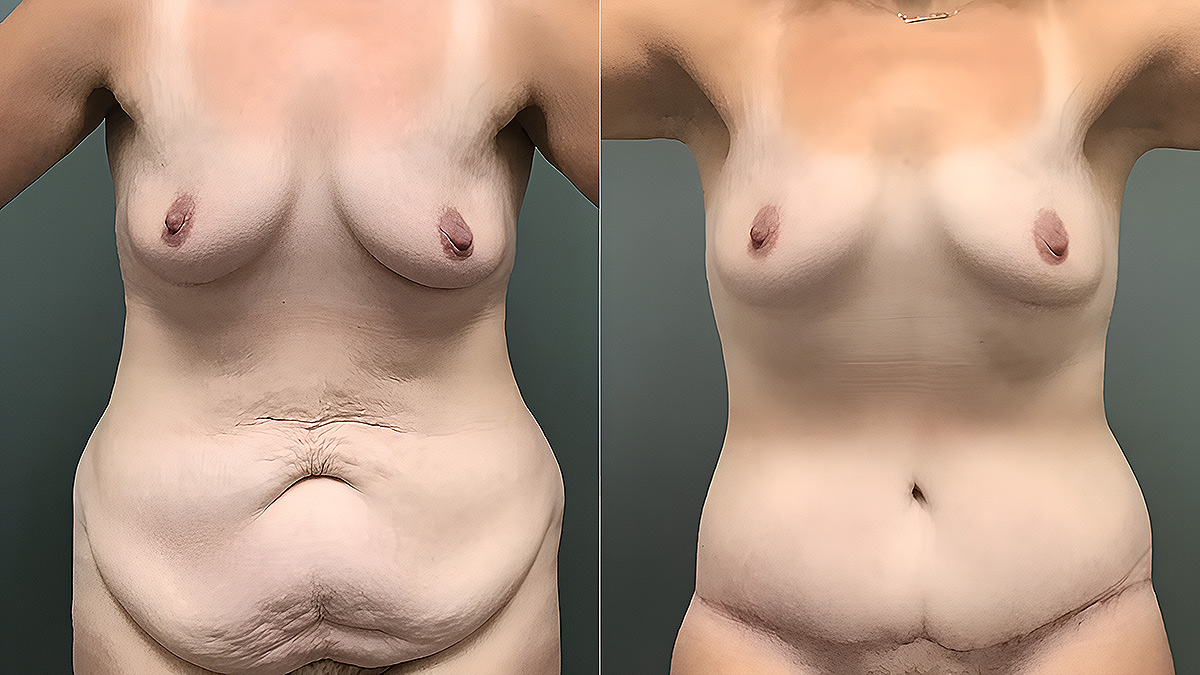
Abdominoplasty, often called a tummy tuck, is a reconstructive and contouring operation. It is chosen when the problem is structural and aesthetic. Core components are removal of excess lower abdominal skin and fat, tightening of the rectus muscles in the midline, and repositioning of the belly button to a natural location on the tightened abdominal wall. The effect is improved core support, a flatter front wall, and the potential for a sharper waist.
In Dr. Baumholtz’s practice, the incision is planned low when anatomy allows. He manages tension to protect blood flow and healing. He is direct about the tradeoffs. When he tightens muscle, he will ask you to respect a hernia-type healing timeline. That means a structured return to lifting and core effort that protects the repair for several weeks before full activity resumes.
✓ What A Panniculectomy Is, And What It Is Not
A panniculectomy is a targeted symptom-relief operation. It removes the pannus, which is the overhanging apron of skin and fat that traps heat and moisture. The goals are less rash, less chafing, better hygiene, improved clothing fit, and better mobility. It does not routinely tighten the muscles, reshape the waist, or reposition the belly button. It does not reliably flatten the upper abdomen. The intent is relief, not sculpting.
The Simple Rule That Prevents Confusion
Dr. Baumholtz uses one dividing line to keep the decision clear. If the muscles are tightened, the operation is an abdominoplasty. If the apron is removed without muscle work, the operation is a panniculectomy. That single decision changes incision planning, belly button management, restrictions, activity timelines, and the likelihood of prolonged wound care.
How Insurers Describe These Operations, And Why The Words Matter
Insurance companies often label panniculectomy as functional when strict medical necessity criteria are met. These criteria usually require documentation of rashes, infections, open wounds, failed non-operative care, or impaired mobility. Abdominoplasty is usually classified as cosmetic. Insurers do not consider it medically necessary. Dr. Baumholtz’s practice is private pay for elective surgery. He still explains these definitions so that patients do not expect coverage for an operation an insurer will not authorize. The point is informed planning, not surprise.
Candidacy Basics: BMI, Nicotine, And Support At Home
Across both procedures, Dr. Baumholtz looks for stable weight, a BMI near or below 35* when possible, and nicotine-free status. Nicotine includes vaping and marijuana aerosols. Nicotine impairs blood flow and wound healing. It is a hard stop for elective surgery. He also looks at general health, diabetes control when present, sleep apnea risk, and support at home for the first weeks of recovery. Honest conversations about job demands, caregiving duties, and the layout of your home help create a safe plan that you can actually follow.
✓ Abdominoplasty And BMI
For abdominoplasty, lower BMI and stable weight matter because muscle tightening increases tension and makes healing more demanding. Complication risk rises as BMI goes up. Results are easier to predict when weight is steady and within a safer range. Dr. Baumholtz will counsel some patients to continue weight loss or improve fitness before proceeding, not because of a number alone, but because it changes risk and recovery.
✓ Panniculectomy When BMI Is Greater Than 35
Panniculectomy can be appropriate even when BMI is greater than 35 if the primary goal is relief from rashes, infections, and hygiene problems. In these cases, the pannus itself is a medical problem. Removing it can improve quality of life. The tradeoff is an increased chance of wound issues and prolonged dressing care. Patients need to understand this before surgery so that slow healing does not feel like a failure. In compromised tissue under tension, delayed healing is common and manageable. The key is consent that is honest, not optimistic to the point of being misleading.
Matching Goals To The Operation
If your top priority is relief from moisture, friction, odor, and skin breakdown under the overhang, choose panniculectomy. Comfort and function improve first. If your top priority is shape change and core support, choose abdominoplasty with muscle plication. Expect a more structured recovery that protects the repair for several weeks. If both relief and contour matter, a staged plan can be the safest path. Staging protects blood supply, lowers operative time, and improves predictability in higher-risk situations.
Belly Button Management: Different Rules For Different Operations
In abdominoplasty, Dr. Baumholtz usually uses traditional transposition. He keeps your original umbilicus, tightens the skin, creates a new opening on the tightened skin, and brings the belly button through to create depth and shadow. In select cases with mild laxity and small muscle separation, he may use an umbilical float. That means releasing the stalk and allowing the belly button to settle slightly lower without an external scar around it. Not everyone qualifies for a float. The choice depends on anatomy and goals. In panniculectomy, the upper abdomen is not tightened, and the belly button usually stays put.
Why Liposuction Is Often Staged
For safety, Dr. Baumholtz does not combine liposuction with panniculectomy or abdominoplasty in the same session when it would compromise blood flow to the abdominal flap. Thick or firm abdominal tissue can benefit from liposuction first, in a separate operation, to thin the layer and help the skin move better at the definitive procedure. He may also target the back or flanks in a staged manner to improve proportion without risking the primary flap. Staging protects blood supply, reduces wound problems, and improves predictability. It is a conservative choice that favors healing over speed.
Incision Planning, Drains, And Garments
Incision placement is kept low when anatomy allows. Scar length is less important than a smooth contour and a solid closure. Drains are used for tummy tuck patients. He brings drains out through the main incision when possible to avoid extra puncture sites. He does not rely on quilting or progressive tension sutures in his standard approach. He prefers to manage tension with careful undermining, thoughtful flap handling, and drains that allow fluid to leave while early healing takes hold.
A critical rule about garments is simple. No compression garment until all drains are removed. Early compression can impede drain function and irritate the incision. Once drains are out and outputs are low, a properly fitted garment can begin and is typically continued for several weeks. The goal is support without choking the tissues.
Recovery: A Realistic Timeline
Every patient heals at a different pace, but a simple, honest timeline helps most people plan.
✓ Week 1: Short, frequent walks begin the same day as surgery. Rest in a gentle beach-chair position. Expect swelling and fatigue. Drains remain in place. There is no compression garment yet. Abdominoplasty patients feel more core tightness and will likely walk slightly bent forward at first. Panniculectomy patients often stand straighter sooner because the muscle has not been tightened, but the incision still sets the pace.
✓ Weeks 2 to 3: Drains begin to come out as outputs fall. A garment is started after drains are removed. Light daily tasks resume. Desk work is often possible with adjustments for posture and breaks. Swelling and bruising improve but may fluctuate with activity.
✓ Weeks 3 to 6: Walking and routine movement increase. Heavy lifting and core workouts remain restricted. The garment continues. Incisions may feel firm or lumpy as normal scar tissue forms. Patience is important.
✓ Weeks 6 to 12: Gradual strengthening resumes. For abdominoplasty with plication, treat this period like a structured return after a hernia repair. Heavy lifting and intense core work wait until clearance. Good form, gradual progression, and common sense protect the repair.
✓ Months 3 to 12: Final contour evolves as swelling settles. Scars mature and soften. Numb areas often improve but can take time. In higher BMI panniculectomy patients, dressing care can continue into this window if a small area heals more slowly. That is manageable and expected in some cases.
Safety Steps That Matter
Patients can expect meticulous attention to temperature control in the operating room, careful hemostasis, and layered closure. Drains are used for abdominoplasty. Early ambulation is required. Home compression devices for the legs are ordered when appropriate. Dr. Baumholtz uses a Caprini-style risk assessment to individualize blood clot prevention. Nicotine cessation before elective surgery is non-negotiable. Diabetes management and general health optimization are part of the preoperative plan. When there is a question about staging, he favors the safer path.
Risks And Complications
All surgery carries risk. Bleeding, infection, seroma, wound separation, clots, and the possibility of additional procedures are real. The goal is not to pretend risk does not exist. The goal is to reduce risk by matching the operation to the problem, protecting blood supply, staging when indicated, and setting clear postoperative rules that patients can actually follow. If a revision is required for a true technical issue, Dr. Baumholtz works with patients to minimize surgeon fees at the appropriate time point. He believes in long-term follow up and access to the surgeon after surgery. That access helps address small problems before they become large ones.
How To Decide: A Practical Checklist
Choose a panniculectomy if you mainly want relief from rashes, infections, odor, and chafing, if your BMI is higher and the pannus itself is the problem, and if comfort and function matter more than shape. Accept the real possibility of prolonged wound care. Understand that small open areas can occur and often heal with local care.
Choose an abdominoplasty if your main issue is core weakness or muscle separation, if you want a flatter front wall and waist refinement, if your weight is stable, and if you can commit to a structured recovery that protects a muscle repair for several weeks.
Choose a staged plan if your tissues are thick or firm and would benefit from liposuction first, if blood supply or operative time argue for two steps, or if predictability matters more than speed. Staging is not a delay tactic. It is a safety tactic.
What To Expect At A Consultation With Dr. Baumholtz
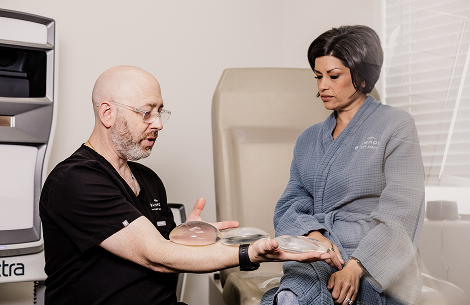
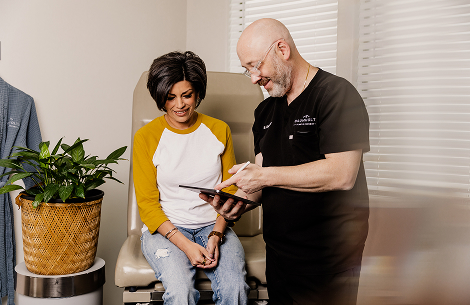
A consultation with Dr. Baumholtz is straightforward. He listens to your goals, reviews your symptoms, and examines your anatomy. He explains the safest options for your specific situation. He marks incision plans and discusses belly button strategy if abdominoplasty is on the table. He outlines recovery by week and clarifies what you can and cannot do. You will leave with transparent numbers for surgeon, facility, and anesthesia, a realistic timeline, and instructions tailored to your home support and job demands. There is no pressure to book. The decision is yours, and the plan is built around your safety and your life.
FAQs About Choosing Between Panniculectomy and Abdominoplasty
Can panniculectomy help even if I am not trying to improve the look of my abdomen?
Yes. Panniculectomy is often a symptom-relief operation. When rashes, infections, odor, and skin breakdown dominate daily life, removing the pannus can make a meaningful difference.
Is prolonged wound care a complication or an expectation?
In higher risk tissue, slow healing is often an expectation rather than a complication. Small open areas can occur at the edges of the incision where tension is highest. These usually close with dressing care and time. Planning for this possibility reduces stress.
Can I have a tummy tuck later if I start with a panniculectomy?
Sometimes. A panniculectomy can be the first step that improves hygiene and mobility. Whether a future abdominoplasty makes sense depends on healing, weight stability, and overall risk. That decision is made later, not assumed up front.
Is weight loss required before panniculectomy?
Not always. The decision for panniculectomy is based on symptoms, not just BMI. If the pannus is causing infections and functional limits, relief may be the priority even at a higher BMI. The tradeoffs should be discussed openly.
Why will you not combine everything at once?
Because safety, blood supply, and healing matter more than speed. Combining extensive liposuction with a large abdominal flap can increase wound risk. Staging separates those stresses so each step heals better.
What about smoking or vaping if I plan surgery next month?
Nicotine exposure is a reason to delay elective surgery. Nicotine constricts blood vessels and increases wound problems. Dr. Baumholtz requires a nicotine-free period before proceeding. That includes vaping and marijuana aerosols.
Will I have drains?
Yes for most abdominoplasty cases. Drains help prevent fluid accumulation while the flap adheres to the underlying tissue. He brings drains out through the main incision when possible to avoid extra openings. Panniculectomy can also require drains depending on extent and tissue quality.
When can I return to the gym?
Walking starts the same day. Light daily activity builds over the first three weeks. For abdominoplasty with muscle plication, treat the repair like a hernia repair. Strength and core work return gradually after clearance. For panniculectomy, activity can ramp up sooner, but the incision still sets the pace.
What kind of scar should I expect?
A low, horizontal scar that is planned to fit typical clothing. Length depends on how much skin must be removed. Scar care instructions are provided. Scars mature over months, not weeks.
Medical References
- Concurrent Panniculectomy With Abdominal Wall Reconstruction: A Propensity-scored Matched Study of Quality Improvement Outcomes - Plastic and Reconstructive Surgery Global Open - https://pmc.ncbi.nlm.nih.gov/articles/PMC11671086/
- The impact of simultaneous panniculectomy in ventral hernia repair: a systematic review and meta-analysis - Hernia - https://pubmed.ncbi.nlm.nih.gov/39240467/
- Clinical and perioperative outcomes of abdominal wall reconstruction and panniculectomy - Hernia - https://pmc.ncbi.nlm.nih.gov/articles/PMC12279593/
- Impact of obesity on the outcomes of panniculectomy and abdominoplasty - Annals of Plastic Surgery - https://pubmed.ncbi.nlm.nih.gov/40450837/
- Simultaneous Abdominal Wall Reconstruction and Panniculectomy - Hernia - https://pmc.ncbi.nlm.nih.gov/articles/PMC12753508/
- Safety and utility of panniculectomy in renal transplant candidates - American Journal of Transplantation - https://pubmed.ncbi.nlm.nih.gov/38289878/
- Abdominal Panniculectomy: An Analysis of Outcomes in 238 Patients - Plastic and Reconstructive Surgery Global Open - https://pmc.ncbi.nlm.nih.gov/articles/PMC8613336/
Ready For Straight Talk And A Realistic Plan
If you want to sort out panniculectomy versus abdominoplasty without hype, schedule a private consultation with Dr. Michael Baumholtz in San Antonio, Texas. Bring your priorities, your calendar, and your questions. You will leave with a clear explanation of your options, honest expectations, and a plan built around your symptoms, your safety, and your life. Call 210-660-5579 or email us at info@bplasticsurgery.com
Further Reading
- Read more about Mommy Makeover
- Read Dr Baumholtz's Blog on Tummy Tuck Or Mini Tummy Tuck - What’s Best For Your Body?
- Read Dr Baumholtz's Blog on Do You Really Need Muscle Repair with a Tummy Tuck?
- Read Dr Baumholtz's Blog on Can a Tummy Tuck Fix Stretch Marks and Loose Skin?
- Read Dr Baumholtz's Blog on Tummy Tuck With or Without Liposuction: What’s Safer and More Effective?