
A small, stubborn bulge over the pubic bone can feel bigger than it looks. It can change how clothes fit and how a person feels in her own skin. Dr Michael Baumholtz, a dual‑board‑certified Plastic Surgeon in San Antonio, Texas, approaches FUPA with the same steady mindset he brings to every operation: define the problem precisely, match solutions to the cause, and plan care that is safe and realistic for life in the USA. He keeps the focus on function and comfort as much as aesthetics. Many women describe avoiding certain leggings, swimsuits, and fitted dresses because the lower abdomen and mons do not cooperate. Others simply want a smoother line so they can move without feeling watched. The point here is not perfection; it is proportion, confidence, and ease. He reminds patients that the goal of any procedure is a durable, natural result that fits their daily routine, not a dramatic before‑and‑after that looks good only in photographs.
What FUPA Really Is
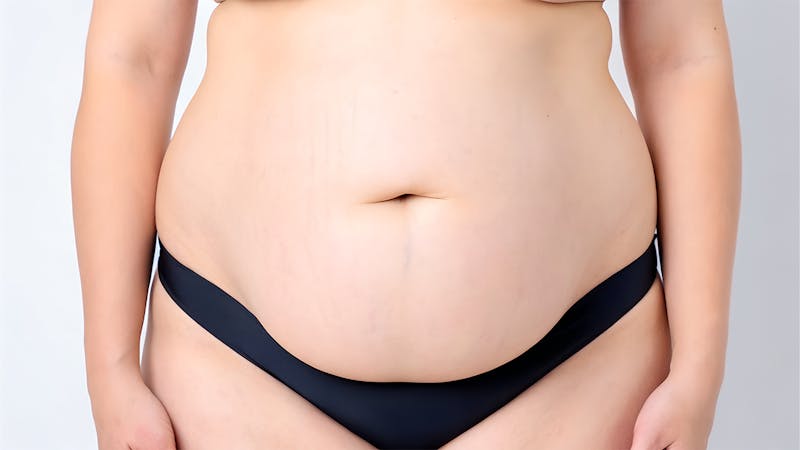
FUPA is everyday language for fullness of the mons pubis - the small mound just above the pubic hairline. The issue may be extra fat, loose or descended skin, a C‑section scar that creates a shelf, or a combination of all three. Labels do not fix problems; accurate diagnosis does. Dr Michael Baumholtz evaluates the area standing and seated, because posture can change both the appearance and the plan. He also studies how the mons relates to the lower abdomen and inner thighs. A narrow fix in one spot can create a visible step‑off in another, which is why blending from region to region becomes part of nearly every plan, even for small procedures.
- Why It Shows Up
Some bodies store a disproportionate amount of fat in the lower abdomen and mons, and this pattern can persist despite healthy habits and stable weight. With time, pregnancies, and weight fluctuation, the skin can lose elasticity and descend; skin that drapes rather than recoils will not tighten with exercise alone. If a C‑section scar sits high or is tethered to the deeper tissues, it can behave like a tight belt, trapping fullness above it and leaving a step‑off that no amount of waist‑training can erase. Genetics and hormonal changes - including the shifts of menopause - can accentuate these patterns and make the bulge feel more noticeable at certain times of the month. None of this is a character flaw. It is anatomy behaving predictably.
- How It Affects Daily Life
The contour of the mons can dictate how waistbands sit and how swimwear or leggings behave under movement. High‑rise styles can conceal the area, but many women do not want a wardrobe built around camouflage. Confidence during exercise or intimacy can take a quiet hit, and some women limit activities they used to enjoy. When tissue descends, the area can feel heavy or chafe, and grooming can become more complicated. Dr Michael Baumholtz acknowledges the emotional weight of these practical concerns and treats them with the same seriousness he brings to functional complaints elsewhere on the body.
Video: Abdominoplasty AKA Tummy Tuck
Getting the Diagnosis Right
Dr Michael Baumholtz looks at three levers - fat, skin, and scar - and how they interact with the lower abdomen. He examines the thickness and quality of the subcutaneous fat, pinches the skin to judge recoil, and watches how the tissue moves when the patient shifts position. He notes the exact location and behavior of any C‑section scar and decides whether the scar is the true driver of the problem or simply a signpost that points to global laxity. When volume is the dominant issue and the skin still has snap, suction contouring can be a reliable answer. When the skin drapes and fails to rebound, an excisional or lifting approach becomes necessary. If a scar is tethered, releasing and repositioning it can restore a smoother slope. When the entire front torso has loosened after pregnancies or weight change, a tummy tuck that includes attention to the mons is often the safer and more predictable foundation.
What success looks like is a smooth transition from lower abdomen to mons, with balanced projection - neither over‑flattened nor under‑reduced - and comfort in everyday clothing. In San Antonio, where warm weather and lighter wardrobes are standard, proportion and thoughtful scar placement matter in daily life. Candidacy includes a stable weight for several months, avoidance of nicotine or vaping around the time of surgery, control of medical conditions and medications, and realistic goals supported by a simple home plan for the early recovery window.
Candidacy at a glance
- Stable weight for several months.
- No nicotine or vaping around the time of surgery.
- Medical conditions controlled and medications reviewed.
- Realistic goals and a support plan at home for the early recovery window.
Non‑Surgical Pathways: Where They Help - and Where They Don’t
Stable weight is the quiet hero of any plan. Nutrition, hydration, and strength work support overall shape, posture, and energy, yet none of these can remove excess skin once laxity is established. Energy devices and fat‑freezing treatments are not the approach in this practice for the mons because they cannot excise loose skin and their impact is unreliable when laxity drives the contour. For a small, volume‑dominant bulge with firm, elastic skin, observation and lifestyle refinement may be reasonable, especially if a patient is planning for a future event or pursuing a specific weight goal. Practical steps - like managing hydration and sodium during hot Texas months, choosing breathable fabrics to reduce friction, and using posture and core work to help clothing sit better - can make life more comfortable even before surgery. Non‑surgical measures support health; they rarely solve a three‑dimensional mons problem on their own, and Dr Michael Baumholtz will say so plainly.
Surgical Solutions Matched to the Problem
One size does not fit all. The operation must match the cause. Safety and proportion guide every choice. Procedures are performed in accredited facilities with board‑certified anesthesia professionals, and planning involves careful measurements and photographs that remain private. Dr Michael Baumholtz emphasizes small, strategic moves that add up to a natural contour rather than a dramatic change that looks forced.
Precision Liposuction of the Mons
When volume is the primary driver and the skin still has good recoil, precision liposuction can thin the fatty layer and soften the outline. Through small, low incisions, Dr Michael Baumholtz uses power‑assisted liposuction to sculpt the mons and feather into the lower abdomen and inner thighs so there is no visible step‑off. Anesthesia is tailored to the case and ranges from local with sedation to general anesthesia. The advantage is targeted change through short incisions with a high degree of control over contour; the limitation is that liposuction does not tighten loose skin, and excessive removal in lax tissue can lead to rippling. Recovery typically involves bruising and swelling for a week or two, a period of gentle walking, and the use of a soft garment to support the new contour. Desk work often resumes within several days, while heavier activity returns in staged fashion over the following month.
Mons Lift / Monsplasty (Skin Tightening With or Without Fat Reduction)
When lax or descended skin makes the mons project under clothing, a lift becomes the right tool. Dr Michael Baumholtz measures a conservative wedge of redundant skin, removes what is necessary, and secures the mons in a slightly higher, flatter position. Limited liposuction can be added to fine‑tune shape, and the incision is placed low and curved to follow natural lines. Internal sutures provide support while tissues heal. Most cases are completed under general anesthesia, though focused revisions can occasionally be performed under deep sedation. The benefit is a direct correction of droop with a more balanced profile and fewer compromises in garment choice. The trade‑off is a scar that requires attention during healing and a commitment to weight stability to protect the result. Sensation can be temporarily altered and commonly improves with time. Recovery is measured rather than rushed: walking starts the same day, the first week is quiet, and normal activity resumes over several weeks, with intimacy deferred until clearance.
C‑Section Scar Revision With Contouring
When a tight or high scar creates a shelf, the most efficient solution is to release the tethering, lower or level the scar, and restore the slope between lower abdomen and mons. Small‑area liposuction may be added to even the transition, and internal quilting techniques can reduce the chance of fluid collecting under the skin. Depending on scope, anesthesia ranges from local with sedation to general. Patients choose this option for a softer contour and a waistband that behaves more predictably. Scar biology varies from person to person, so meticulous care - and strict sun protection for the first year - becomes part of the plan. Recovery tends to be shorter than a full lift, with routine activities returning in steps over two to three weeks.
Abdominoplasty (Tummy Tuck) With Mons Contouring
When global laxity, muscle separation, and mons fullness coexist, a tummy tuck that includes planned mons contouring offers the most complete correction. The operation tightens the abdominal wall, removes excess lower abdominal skin, and thins and often lifts the mons in the same setting so the entire front torso reads as one continuous, natural line. The umbilicus is preserved and positioned appropriately. General anesthesia is standard, and modern multimodal pain control reduces reliance on opioids. The benefit is a unified result that avoids the common mismatch of a flat abdomen above a still‑full mons. The trade‑off is a longer recovery and the possibility of drains depending on technique and tissue quality. Patients begin walking early, avoid heavy lifting for several weeks, and use compression as directed. Most people return to full exercise between six and ten weeks once cleared.
Choosing the Right Path: Simple Scenarios
Small, volume‑predominant fullness with resilient skin usually responds best to liposuction. When fullness is coupled with soft, descended tissue, a monsplasty with or without limited suction creates a more predictable profile. A pronounced shelf above a C‑section scar points to scar release and contouring rather than aggressive fat removal alone. In women with pregnancies behind them and a loose lower abdomen, a tummy tuck combined with mons contouring addresses the root causes in one planned operation. Each plan is individualized. Dr Michael Baumholtz weighs anatomy, goals, recovery needs, and safety so the solution fits the person - not the other way around. When options are close, he outlines the pros and cons in plain terms and recommends the path that offers the most predictable, durable outcome.
Safety First: How Dr Michael Baumholtz Plans Care
Safety sits at the center of every decision. Dual board certification in General Surgery and Plastic Surgery informs judgment from consultation through follow‑up. Pre‑operative screening covers medical history, medications, and lifestyle factors, and nicotine is a non‑starter around elective surgery because healing depends on blood flow. In the operating room, gentle tissue handling, infection prevention, and precise hemostasis are standard. Blood‑clot prevention is tailored to the individual. Compression is used thoughtfully to control swelling and support new contours. Follow‑through is part of the culture of care; access before and after surgery is expected, not exceptional.
Setting Realistic Expectations
Surgery reshapes contours but does not replace healthy habits. Final shape reflects starting anatomy, skin quality, and healing biology. Weight stability after surgery protects the benefit. Scar quality varies from person to person, yet attention to silicone therapy, massage, and sun protection can help scars mature. Dr Michael Baumholtz, Plastic Surgeon in San Antonio, Texas, would rather set an honest plan than oversell a result. Patients deserve candor as much as technical skill.
Preparing for Surgery in San Antonio, TX
Life in South Texas has its own rhythm, and planning around climate and schedules makes recovery smoother. Choosing dates that respect work, parenting, school calendars, and military rotations prevents unnecessary stress. Warm months call for breathable garments and consistent hydration; early walks inside the home often work better than long outdoor walks at first. Medication lists, including supplements, are reviewed in detail and some items are paused for safety. A simple home setup - pillows for support, easy meals at counter height, a reach‑grabber for low items, and chargers staged where bending is minimal - reduces strain on day one. Short‑term help with driving, childcare, pets, and chores is arranged in advance. Regional patients receive travel guidance and are encouraged to plan rest stops on the drive home from San Antonio to reduce stiffness.
Abdominoplasty Before and After Photos
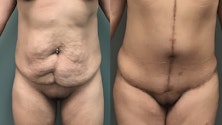
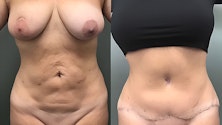
Recovery Roadmap: What the Process Feels Like
The first hours focus on rest, small sips of fluid, and gentle walking to keep circulation moving. Cold packs are used only as advised. During the first week, swelling and bruising are expected and discomfort improves steadily with medication and light movement; incisions remain dry until cleared. Weeks two through four bring a staged return to activity with a continuing focus on compression and posture. Light cardio often returns first while core work waits for clearance. Once incisions are sealed, silicone therapy and scar massage begin and sun protection becomes non‑negotiable. Follow‑ups in the clinic keep the plan on track, and patients are encouraged to call sooner rather than later if anything feels off. The emotional arc matters as much as the physical one: the earliest days can feel puffy; weeks three through six reveal shape; final settling takes months. Relief, patience, and growing confidence are all normal.
Risks, Trade‑Offs, and How They’re Managed
Every operation carries risk, and the plan is built to minimize it and address issues early if they arise. Bruising, swelling, and temporary changes in sensation are common and improve with time. Contour asymmetry can occur and is mitigated by conservative shaping and careful case selection. Over‑aggressive fat removal in lax skin risks rippling; thoughtful restraint avoids this. Scars are real and require care; placement, technique, and ongoing stewardship influence how they mature. Smokers and nicotine users face delayed healing and are advised to stop well in advance. Rarely, a secondary refinement is appropriate, and when it is, Dr Michael Baumholtz explains timing and options in plain language so decisions are thoughtful rather than rushed.
Cost and Value Considerations
Costs reflect the type and length of surgery, the facility, and anesthesia, and combined operations - such as abdominoplasty with mons contouring - can sometimes be more efficient than staging separate procedures, provided safety remains the priority. The value is alignment: the right operation for the right problem at the right time. Quick fixes that ignore skin quality often cost more in the long run when they underperform or require revision. At Baumholtz Plastic Surgery in San Antonio, patients receive transparent planning, not surprise fees. The practice does not take insurance, and that clarity allows conversations to focus on safety, suitability, and the quality of the result rather than coverage codes.
Why Patients in San Antonio Choose Dr Michael Baumholtz
Patients in San Antonio describe Dr Michael Baumholtz as measured, thorough, and genuinely invested in proportion over trends. He has deep experience with precision liposuction when volume is the problem and with tailored monsplasty when skin is the driver. He is equally willing to address the abdomen and the mons together when that is what the anatomy calls for. Communication is direct without being brusque. Follow‑up is real and accessible. Expectations are realistic from the first visit. The practice culture values privacy, access, and steady, compassionate care before and after the procedure. In short, the work is deliberate rather than flashy, and the plan is personal rather than templated.
Life After Surgery: Maintaining Your Result
Life after surgery is about habits that respect the investment. Weight stability preserves shape; small fluctuations are normal, but large changes alter contour. Strength training returns in steps and supports posture, comfort, and long‑term definition. Scar stewardship - consistent silicone use, thoughtful massage, and rigorous sun avoidance - pays off over months, not days, and it is worth the patience. The mindset is partnership: the procedure sets the stage and daily choices help the result mature. Check‑ins with the practice keep momentum and allow small course corrections before minor questions become big concerns.
Local Context: San Antonio Lifestyle and Logistics
San Antonio’s climate and culture put comfort and contour on display for much of the year. Whether walking the River Walk, training at the gym, or dressing for work and family events, a balanced front torso matters. The practice is organized for real life in South Texas, with parking close to the entrance, appointment times that respect busy schedules, and garment guidance that accounts for heat and humidity. Out‑of‑town and regional patients receive simple itineraries and proactive check‑ins so distance does not get in the way of attentive follow‑up.
A Final Word - In Dr Baumholtz’s Voice
Dr Michael Baumholtz believes the best operation is the one that fits the actual problem. He treats fat, skin, and scars with equal respect and explains what each step can achieve and what it cannot. He prefers honest conversations to flashy claims and plans for tomorrow, not just surgery day. His aim is simple: durable, proportionate change that restores ease in movement and confidence in clothing, delivered with the steadiness patients deserve in a Plastic Surgeon.
FAQs About FUPA
Will Texas heat make swelling worse after mons surgery, and how does he plan around Fiesta or summer trips?
San Antonio heat can amplify swelling in the early weeks. Dr Michael Baumholtz times surgery to avoid high activity periods, recommends breathable compression, and prefers short indoor walks during the hottest hours. If a patient has Fiesta plans or summer travel, he sequences follow ups and activity increases so the calendar supports recovery rather than competes with it.
Can horseback riding or cycling on the Mission Reach delay healing after liposuction of the mons?
Pressure and repetitive friction from saddles and bike seats can irritate fresh tissue. Dr Michael Baumholtz asks patients to pause saddle sports and outdoor cycling until soft tissues are comfortable and cleared in clinic. Many patients return to low pressure cardio first, then reintroduce riding or cycling gradually with padded gear and careful attention to comfort signals.
I live in high waisted jeans - will a monsplasty change where my waistband sits?
A monsplasty can reduce projection and lift descended tissue, which often lets waistbands sit flatter and lower without a shelf. Dr Michael Baumholtz discusses where seams and rises typically land after healing and suggests trying on a few different rises once swelling settles so the wardrobe change feels intentional, not forced.
Is it okay to schedule laser hair removal or waxing around the mons before or after the procedure?
He prefers avoiding hair removal that irritates skin in the immediate pre op window and during early healing. Once incisions are sealed and the skin is calm, hair removal can resume with gentle settings and a wide margin around scars. The priority is skin health - smooth, non irritated skin heals and scars better.
What does he recommend for swim season at San Antonio pools or the coast if surgery is in late spring?
Swimming waits until incisions are fully closed and cleared. After that point, Dr Michael Baumholtz recommends UV protective suits and diligent sunscreen because fresh scars darken easily in Texas sun. Many patients choose darker, compressive swim fabrics early on for comfort and confidence while swelling resolves.
My C section scar tugs when I lunge or stretch - does scar release change how that feels day to day?
Tethered scars can pull on surrounding tissue. When release and contouring are part of the plan, many patients report the area feels less bound once healing is complete. Dr Michael Baumholtz combines careful release with thoughtful scar care and a return to stretching only after the tissues are ready, which helps daily movement feel more natural.
I commute on I - 10 and sit a lot - does long driving affect recovery and garment comfort?
Sitting for long stretches can increase swelling and garment pressure. Early on, he advises frequent stand up breaks, a small pillow under the thighs rather than the incision line, and mindful hydration. As healing advances, most patients tolerate regular commutes with fewer adjustments, but the same rules apply - change position, keep circulation moving, and avoid heat buildup under the garment.
Medical References
- Obesity: Clinical Impact, Pathophysiology, Complications, and Modern Innovations in Therapeutic Strategies
https://pmc.ncbi.nlm.nih.gov/articles/PMC12372088/ - Determinants of Body Fat Distribution in Humans May Provide Insights into the Etiology of Metabolic Syndrome
https://pmc.ncbi.nlm.nih.gov/articles/PMC6795075/ - Upper Body Fat Predicts Metabolic Syndrome Similarly in Different Populations
https://pmc.ncbi.nlm.nih.gov/articles/PMC6099361/ - The Impact of Obesity: A Narrative Review
https://pmc.ncbi.nlm.nih.gov/articles/PMC10071857/ - Obesity: Background, Pathophysiology, Etiology
https://emedicine.medscape.com/article/123702-overview - How to get rid of fat in the upper pubic area (FUPA)
https://www.medicalnewstoday.com/articles/how-to-get-rid-of-fupa - Safety and Effectiveness of Real-time Direct Vision Liposuction
https://pmc.ncbi.nlm.nih.gov/articles/PMC12150931/
Call to Action
If you are ready to talk about FUPA in plain English, schedule a confidential consultation with Dr Michael Baumholtz at Baumholtz Plastic Surgery in San Antonio, Texas. Bring your goals; he will map a safe, individualized plan that fits your anatomy and your life. The first step is a conversation grounded in clarity, safety, and respect.
Further Reading
- Read Dr Baumholtz's Blog on Should I Get a Tummy Tuck? 5 Pros and 5 Cons of Tummy Tucks
- Read Dr Baumholtz's Blog on Preparing For Your Tummy Tuck Surgery: What To Pack For A Smoother Recovery
- Read Dr Baumholtz's Blog on Tummy Tuck With or Without Liposuction: What’s Safer and More Effective?
- Read Dr Baumholtz's Blog on What Is a Fleur-de-Lis Tummy Tuck and Do You Need One?